

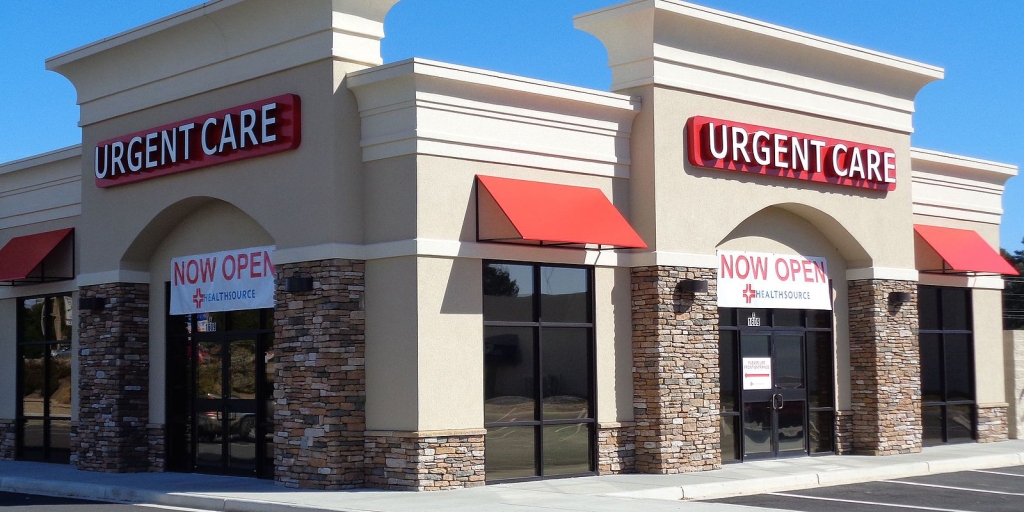
Primary care providers and other medical tenants are moving in ever-increasing numbers from medical office buildings into retail properties. Family practitioners, internists, allergists, dermatologists and other specialists often find that space in a neighborhood shopping center can be an excellent venue for performing common procedures in an office setting, closer to patient populations and with more convenient accessibility and parking.
This shift from traditional medical office space to retail poses special considerations for medical tenants, however, and that can create unpleasant surprises for tenants who are unfamiliar with retail leasing.
Here are just a few examples of the differences medical users encounter when exploring retail real estate for the first time.
Improvement allowances often fall short.
The buildout cost to create a typical retail showroom is a fraction of the sums some healthcare providers must pay to finish out their spaces, often involving the installation of heavy diagnostic equipment, surgical rooms and other specialized enclosures. Given that the landlord’s contribution will be in line with the more modest cost of building out a store, medical tenants should be prepared to pay the additional up-front cost to complete their space.
Expect fewer services.
A shopping center may provide parking lot lighting and landscape maintenance, but a retail tenant is usually responsible for other services they may have grown accustomed to receiving in an office property. The tenant must make its own arrangements for regular housekeeping and cleaning up the occasional spill, for example. In most cases, the tenant is also responsible for any repairs required within its four walls, including plumbing, mechanical and electrical fixes. Expect little or no security from the landlord; that is usually left to the tenant to provide.
Consider neighboring tenants.
Medical office building leases usually restrict tenancy to healthcare providers and may preclude leases to healthcare systems that would compete with existing tenants for patients. Because building occupants share a focus on patient care, most of those properties also preserve a professional atmosphere.
By contrast, the retail environment can run the gamut from sedate to chaotic, depending on the stores and clientele on the property. For example, the noise from a children’s event center, an apparel store with loud music or a lively restaurant with outdoor seating next to the healthcare provider may disturb ill or infirm patients as they navigate the parking lot and common areas. Because retail tenants have few protections or control regarding the tenant mix, it is important to select a property with an atmosphere conducive to a medical practice.
Deciphering leases may be complicated.
The variety of lease structures used in retail can be confusing and difficult to compare without expertise. And while most leases include some method of conveying building operating expenses to tenants in addition to the base rent, the way those expenses are calculated and passed through can vary significantly.
This shift from traditional medical office space to retail poses special considerations for medical tenants, however, and that can create unpleasant surprises for tenants who are unfamiliar with retail leasing.
Here are just a few examples of the differences medical users encounter when exploring retail real estate for the first time.
Improvement allowances often fall short.
The buildout cost to create a typical retail showroom is a fraction of the sums some healthcare providers must pay to finish out their spaces, often involving the installation of heavy diagnostic equipment, surgical rooms and other specialized enclosures. Given that the landlord’s contribution will be in line with the more modest cost of building out a store, medical tenants should be prepared to pay the additional up-front cost to complete their space.
Expect fewer services.
A shopping center may provide parking lot lighting and landscape maintenance, but a retail tenant is usually responsible for other services they may have grown accustomed to receiving in an office property. The tenant must make its own arrangements for regular housekeeping and cleaning up the occasional spill, for example. In most cases, the tenant is also responsible for any repairs required within its four walls, including plumbing, mechanical and electrical fixes. Expect little or no security from the landlord; that is usually left to the tenant to provide.
Consider neighboring tenants.
Medical office building leases usually restrict tenancy to healthcare providers and may preclude leases to healthcare systems that would compete with existing tenants for patients. Because building occupants share a focus on patient care, most of those properties also preserve a professional atmosphere.
By contrast, the retail environment can run the gamut from sedate to chaotic, depending on the stores and clientele on the property. For example, the noise from a children’s event center, an apparel store with loud music or a lively restaurant with outdoor seating next to the healthcare provider may disturb ill or infirm patients as they navigate the parking lot and common areas. Because retail tenants have few protections or control regarding the tenant mix, it is important to select a property with an atmosphere conducive to a medical practice.
Deciphering leases may be complicated.
The variety of lease structures used in retail can be confusing and difficult to compare without expertise. And while most leases include some method of conveying building operating expenses to tenants in addition to the base rent, the way those expenses are calculated and passed through can vary significantly.
Here are just a few examples of the differences medical users encounter when exploring retail real estate for the first time.
Improvement allowances often fall short.
The buildout cost to create a typical retail showroom is a fraction of the sums some healthcare providers must pay to finish out their spaces, often involving the installation of heavy diagnostic equipment, surgical rooms and other specialized enclosures. Given that the landlord’s contribution will be in line with the more modest cost of building out a store, medical tenants should be prepared to pay the additional up-front cost to complete their space.
Expect fewer services.
A shopping center may provide parking lot lighting and landscape maintenance, but a retail tenant is usually responsible for other services they may have grown accustomed to receiving in an office property. The tenant must make its own arrangements for regular housekeeping and cleaning up the occasional spill, for example. In most cases, the tenant is also responsible for any repairs required within its four walls, including plumbing, mechanical and electrical fixes. Expect little or no security from the landlord; that is usually left to the tenant to provide.
Consider neighboring tenants.
Medical office building leases usually restrict tenancy to healthcare providers and may preclude leases to healthcare systems that would compete with existing tenants for patients. Because building occupants share a focus on patient care, most of those properties also preserve a professional atmosphere.
By contrast, the retail environment can run the gamut from sedate to chaotic, depending on the stores and clientele on the property. For example, the noise from a children’s event center, an apparel store with loud music or a lively restaurant with outdoor seating next to the healthcare provider may disturb ill or infirm patients as they navigate the parking lot and common areas. Because retail tenants have few protections or control regarding the tenant mix, it is important to select a property with an atmosphere conducive to a medical practice.
Deciphering leases may be complicated.
The variety of lease structures used in retail can be confusing and difficult to compare without expertise. And while most leases include some method of conveying building operating expenses to tenants in addition to the base rent, the way those expenses are calculated and passed through can vary significantly.
Improvement allowances often fall short.
The buildout cost to create a typical retail showroom is a fraction of the sums some healthcare providers must pay to finish out their spaces, often involving the installation of heavy diagnostic equipment, surgical rooms and other specialized enclosures. Given that the landlord’s contribution will be in line with the more modest cost of building out a store, medical tenants should be prepared to pay the additional up-front cost to complete their space.
Expect fewer services.
A shopping center may provide parking lot lighting and landscape maintenance, but a retail tenant is usually responsible for other services they may have grown accustomed to receiving in an office property. The tenant must make its own arrangements for regular housekeeping and cleaning up the occasional spill, for example. In most cases, the tenant is also responsible for any repairs required within its four walls, including plumbing, mechanical and electrical fixes. Expect little or no security from the landlord; that is usually left to the tenant to provide.
Consider neighboring tenants.
Medical office building leases usually restrict tenancy to healthcare providers and may preclude leases to healthcare systems that would compete with existing tenants for patients. Because building occupants share a focus on patient care, most of those properties also preserve a professional atmosphere.
By contrast, the retail environment can run the gamut from sedate to chaotic, depending on the stores and clientele on the property. For example, the noise from a children’s event center, an apparel store with loud music or a lively restaurant with outdoor seating next to the healthcare provider may disturb ill or infirm patients as they navigate the parking lot and common areas. Because retail tenants have few protections or control regarding the tenant mix, it is important to select a property with an atmosphere conducive to a medical practice.
Deciphering leases may be complicated.
The variety of lease structures used in retail can be confusing and difficult to compare without expertise. And while most leases include some method of conveying building operating expenses to tenants in addition to the base rent, the way those expenses are calculated and passed through can vary significantly.
The buildout cost to create a typical retail showroom is a fraction of the sums some healthcare providers must pay to finish out their spaces, often involving the installation of heavy diagnostic equipment, surgical rooms and other specialized enclosures. Given that the landlord’s contribution will be in line with the more modest cost of building out a store, medical tenants should be prepared to pay the additional up-front cost to complete their space.
Expect fewer services.
A shopping center may provide parking lot lighting and landscape maintenance, but a retail tenant is usually responsible for other services they may have grown accustomed to receiving in an office property. The tenant must make its own arrangements for regular housekeeping and cleaning up the occasional spill, for example. In most cases, the tenant is also responsible for any repairs required within its four walls, including plumbing, mechanical and electrical fixes. Expect little or no security from the landlord; that is usually left to the tenant to provide.
Consider neighboring tenants.
Medical office building leases usually restrict tenancy to healthcare providers and may preclude leases to healthcare systems that would compete with existing tenants for patients. Because building occupants share a focus on patient care, most of those properties also preserve a professional atmosphere.
By contrast, the retail environment can run the gamut from sedate to chaotic, depending on the stores and clientele on the property. For example, the noise from a children’s event center, an apparel store with loud music or a lively restaurant with outdoor seating next to the healthcare provider may disturb ill or infirm patients as they navigate the parking lot and common areas. Because retail tenants have few protections or control regarding the tenant mix, it is important to select a property with an atmosphere conducive to a medical practice.
Deciphering leases may be complicated.
The variety of lease structures used in retail can be confusing and difficult to compare without expertise. And while most leases include some method of conveying building operating expenses to tenants in addition to the base rent, the way those expenses are calculated and passed through can vary significantly.
Expect fewer services.
A shopping center may provide parking lot lighting and landscape maintenance, but a retail tenant is usually responsible for other services they may have grown accustomed to receiving in an office property. The tenant must make its own arrangements for regular housekeeping and cleaning up the occasional spill, for example. In most cases, the tenant is also responsible for any repairs required within its four walls, including plumbing, mechanical and electrical fixes. Expect little or no security from the landlord; that is usually left to the tenant to provide.
Consider neighboring tenants.
Medical office building leases usually restrict tenancy to healthcare providers and may preclude leases to healthcare systems that would compete with existing tenants for patients. Because building occupants share a focus on patient care, most of those properties also preserve a professional atmosphere.
By contrast, the retail environment can run the gamut from sedate to chaotic, depending on the stores and clientele on the property. For example, the noise from a children’s event center, an apparel store with loud music or a lively restaurant with outdoor seating next to the healthcare provider may disturb ill or infirm patients as they navigate the parking lot and common areas. Because retail tenants have few protections or control regarding the tenant mix, it is important to select a property with an atmosphere conducive to a medical practice.
Deciphering leases may be complicated.
The variety of lease structures used in retail can be confusing and difficult to compare without expertise. And while most leases include some method of conveying building operating expenses to tenants in addition to the base rent, the way those expenses are calculated and passed through can vary significantly.
A shopping center may provide parking lot lighting and landscape maintenance, but a retail tenant is usually responsible for other services they may have grown accustomed to receiving in an office property. The tenant must make its own arrangements for regular housekeeping and cleaning up the occasional spill, for example. In most cases, the tenant is also responsible for any repairs required within its four walls, including plumbing, mechanical and electrical fixes. Expect little or no security from the landlord; that is usually left to the tenant to provide.
Consider neighboring tenants.
Medical office building leases usually restrict tenancy to healthcare providers and may preclude leases to healthcare systems that would compete with existing tenants for patients. Because building occupants share a focus on patient care, most of those properties also preserve a professional atmosphere.
By contrast, the retail environment can run the gamut from sedate to chaotic, depending on the stores and clientele on the property. For example, the noise from a children’s event center, an apparel store with loud music or a lively restaurant with outdoor seating next to the healthcare provider may disturb ill or infirm patients as they navigate the parking lot and common areas. Because retail tenants have few protections or control regarding the tenant mix, it is important to select a property with an atmosphere conducive to a medical practice.
Deciphering leases may be complicated.
The variety of lease structures used in retail can be confusing and difficult to compare without expertise. And while most leases include some method of conveying building operating expenses to tenants in addition to the base rent, the way those expenses are calculated and passed through can vary significantly.
Consider neighboring tenants.
Medical office building leases usually restrict tenancy to healthcare providers and may preclude leases to healthcare systems that would compete with existing tenants for patients. Because building occupants share a focus on patient care, most of those properties also preserve a professional atmosphere.
By contrast, the retail environment can run the gamut from sedate to chaotic, depending on the stores and clientele on the property. For example, the noise from a children’s event center, an apparel store with loud music or a lively restaurant with outdoor seating next to the healthcare provider may disturb ill or infirm patients as they navigate the parking lot and common areas. Because retail tenants have few protections or control regarding the tenant mix, it is important to select a property with an atmosphere conducive to a medical practice.
Deciphering leases may be complicated.
The variety of lease structures used in retail can be confusing and difficult to compare without expertise. And while most leases include some method of conveying building operating expenses to tenants in addition to the base rent, the way those expenses are calculated and passed through can vary significantly.
Medical office building leases usually restrict tenancy to healthcare providers and may preclude leases to healthcare systems that would compete with existing tenants for patients. Because building occupants share a focus on patient care, most of those properties also preserve a professional atmosphere.
By contrast, the retail environment can run the gamut from sedate to chaotic, depending on the stores and clientele on the property. For example, the noise from a children’s event center, an apparel store with loud music or a lively restaurant with outdoor seating next to the healthcare provider may disturb ill or infirm patients as they navigate the parking lot and common areas. Because retail tenants have few protections or control regarding the tenant mix, it is important to select a property with an atmosphere conducive to a medical practice.
Deciphering leases may be complicated.
The variety of lease structures used in retail can be confusing and difficult to compare without expertise. And while most leases include some method of conveying building operating expenses to tenants in addition to the base rent, the way those expenses are calculated and passed through can vary significantly.
By contrast, the retail environment can run the gamut from sedate to chaotic, depending on the stores and clientele on the property. For example, the noise from a children’s event center, an apparel store with loud music or a lively restaurant with outdoor seating next to the healthcare provider may disturb ill or infirm patients as they navigate the parking lot and common areas. Because retail tenants have few protections or control regarding the tenant mix, it is important to select a property with an atmosphere conducive to a medical practice.
Deciphering leases may be complicated.
The variety of lease structures used in retail can be confusing and difficult to compare without expertise. And while most leases include some method of conveying building operating expenses to tenants in addition to the base rent, the way those expenses are calculated and passed through can vary significantly.
Deciphering leases may be complicated.
The variety of lease structures used in retail can be confusing and difficult to compare without expertise. And while most leases include some method of conveying building operating expenses to tenants in addition to the base rent, the way those expenses are calculated and passed through can vary significantly.
The variety of lease structures used in retail can be confusing and difficult to compare without expertise. And while most leases include some method of conveying building operating expenses to tenants in addition to the base rent, the way those expenses are calculated and passed through can vary significantly.
Source: GlobeSt.

As 2017 comes to an end, more questions than answers remain in today’s healthcare space. Advancing technologies, company mergers and changing regulations have shaped an uncertain future for the healthcare profession.
We spoke with Sapphire Blue’s chief underwriting officer Debra Goldberg to best understand what questions will be top of mind moving into 2018.
“Top of the list is what will happen with healthcare providers in terms of cyber and securing the data they have on hand,” she says. “For example, there have been talks about the vulnerabilities in implanted pacemakers; so, one question that comes up is how providers will address that? It will be very interesting to see what happens in the next few years.”
On that same note, ransomware and computer viruses have historically disrupted the provision of healthcare. Moving forward, there will be a focus on how healthcare providers assess and address ever-evolving cyber threats.
As Goldberg explains, “There’s a lot of talk about large healthcare systems trying to implement blockchain technology to secure their data. That might be a whole new approach to mitigating the cyber risks that health facilities face, and that leaves a question of how it will all play out and work moving ahead?”
In addition, mergers in the healthcare space, particularly vertical mergers where single entities move into different areas of healthcare, also begs the question of how those moves will alter healthcare professionals’ risks and liabilities, says Goldberg.
Ultimately, according to Goldberg, the future of healthcare risk across all areas remains up in the air. With the future of the Affordable Care Act hanging in the balance, how providers navigate the risks of patient healthcare next year will be interesting to see.
Source: Insurance Business America

Last week’s blockbuster deal in which CVS Health (NYSE: CVS) agreed to acquire Aetna Inc. (NYSE: AET) for $77 billion, including assumption of debt, has the potential not only to fundamentally alter the health plan market but also radically reshape the retail and health care real estate markets.
With about $245 billion in combined revenue and around $19 billion in combined EBITDA, CVS and Aetna are banking on the potential to redefine the way individuals access health care services in lower-cost, retail/pharmacy locations. Aisles of greeting cards and soft drinks could eventually make room for wellness treatments, clinical and pharmacy services, vision and hearing testing, as well as the expected nutrition, beauty and medical equipment offerings.
CVS Health’s current network includes more than 9,700 CVS Pharmacy locations and 1,100 MinuteClinic walk-in clinics. In addition, CVS Health has more than 4,000 nursing professionals on staff providing in-clinic and home-based care across the nation.
Aetna is a leading diversified health care benefits company, insuring 22 million people and providing services to an estimated 44.6 million people in other ways.
At the heart of the combination is a business proposition to address the growing cost of delivering health care services by reducing check-ups and other “between” doctor visits through face-to-face counseling at a store-based health hub.
“These types of interventions are things that the traditional health care system could be doing,” noted Larry J. Merlo, CVS Health president and CEO. “But the traditional health care system lacks the key elements of convenience and coordination that help to engage consumers in their health. That’s what the combination of CVS Health and Aetna will deliver.”
One of the proposed merger’s goals is to deliver more health care services in CVS stores and its retail clinics, shifting the traditional health care delivery model further away from more costly settings, including urgent care centers, doctor offices and hospital emergency rooms.
This shift has been ongoing but could accelerate following the CVS-Aetna merger. CVS has been transitioning space in its stores for the last two years, adding such things as vision and audiology centers.
“There’s no question that we have the opportunities to repurpose some of the space in our stores,” Merlo said. “You can think about this as more of a hub-and-spoke model in that there will be a core set of services that would be available broadly, and there likely would be a subset of stores that would have enhanced services. And that delta would certainly be reflected in the space allocation within the store. But, obviously, we’ll have a lot more to say about that as we get these pilots underway and go from there.”
With its deal to acquire Aetna, CVS could further sharpen its focus on making health care its core business, said Brian McDonagh, a director with CBX Brand Strategy in Minneapolis.
“For far too long, U.S. chain drugstores have suffered from a bit of an identity crisis,” McDonagh said. “Despite the coolers and front-of-the-store merchandise, CVS, for one, has realized that it isn’t primarily a food seller, nor is it a discount retailer or c-store. Increasingly, CVS has been trying to act like a health care company.”
Real Estate Industry Paying Close Attention
As CVS begins to remake its retail pharmacy stores to become a new “front door” to a fragmented health care system, real estate investors will need to pay close attention to both near- and long-term consequences of the combination, said Quinn McCarthy, an analyst with JLL Capital Markets, Net Lease.
“In the short-term, I expect the acquisition to give many risk-averse net lease investors pause regarding CVS-leased assets,” McCarthy said. “CVS will almost inevitably experience a multi-notch credit downgrade as a result of the acquisition cost, and will also see their EPS diluted significantly. The other risk that stands out to me is the future viability of current CVS locations.”
Without knowing how CVS intends to physically implement the expanding health services arm of its business, leases approaching expiration of the initial term may be approached with a significant discount until the future of CVS’s prototype is known, McCarthy said.
“If it is revealed that they intend to reduce retail floor area in existing stores to add dedicated health service space, this worry will likely be assuaged. But the risk of a fundamentally different new prototype making existing layouts obsolete will be a common investor worry,” McCarthy said.
However, over the long-term, assuming successful implementation by CVS, McCarthy said he can see the merger boosting net lease investors’ interests in CVS as a tenant.
Milt Charbonneau, a senior director at Cushman & Wakefield in Iselin, NJ, sees any growth in health care shifting to more conveniently located retail space as a downside worry for investors in medical office buildings. Charbonneau said the concern would be even more if other retailers, such as Walmart and Walgreens, expand their health care offerings in a similar fashion.
“The CVS/Aetna deal may be the start of ‘the department store of health care,’ said Mike Polachek, executive vice president at SRS Real Estate Partners. “In addition to their fleet of retail stores, I could see them opening selective stores in former large boxes and housing, in addition to their retail format adding an insurance office, urgent care (without overnight) stays, physical rehab, concierge doctors and other medical providers. They could form a hub-and-spoke distribution with the hub being these large format operations and the retail stores being the spokes.”
Defending Against an Amazon Incursion
Tony Miller, owner of The Miller Family Cos. in Agoura Hills, CA, said the merger is clearly a defensive play to the expected entrance into the pharmaceutical field by Amazon, offering steeply discounted prescription drugs via mail order.
“By combining forces, the newly formed entity could offer ‘in-store’ medical care, creating a one-stop shop for medical needs. I am not sure how Amazon would compete with the human interaction a medical staff offers,” Miller said.
But the potential Amazon incursion is just enough of a worry that major investors are already adjusting their pharmacy holdings. Agree Realty Corp (NYSE:ADC) said last month that it reduced its net leased pharmacy holdings from 30% to 13.2% in the last three years. Walgreens, Agree’s largest tenant, has been taken down to 8.5% from 22% in that time.
“We’re committed to taking Walgreens down to sub-5%, not because we don’t believe in the tenant or the business, but we think it’s the right thing to do to divest and redeploy on an accretive basis there, and you’ll continue to see that trajectory,” said Joey Agree, president and CEO of Agree Realty.
“While we remain believers in the pharmacy space, I will tell all investors just to [compare] what we’ve accomplished to their diversification efforts,” Agree said. “It’s one thing for Amazon if and when they do enter the pharmacy space to enter it and disrupt it. It’s another thing for them to operationally affect the Walgreens and CVS’s of the world. So we haven’t seen those rumors trickle down. What we have seen is just generally a continued flight to safety. And frankly, people have gotten in line behind the strategy, which we’ve been expounding upon since 2011 in terms of e-commerce.”
Source: CoStar