
Nearly 3 acres of land in Davie have been sold for $2.4 million to a developer looking to build medical and office space.
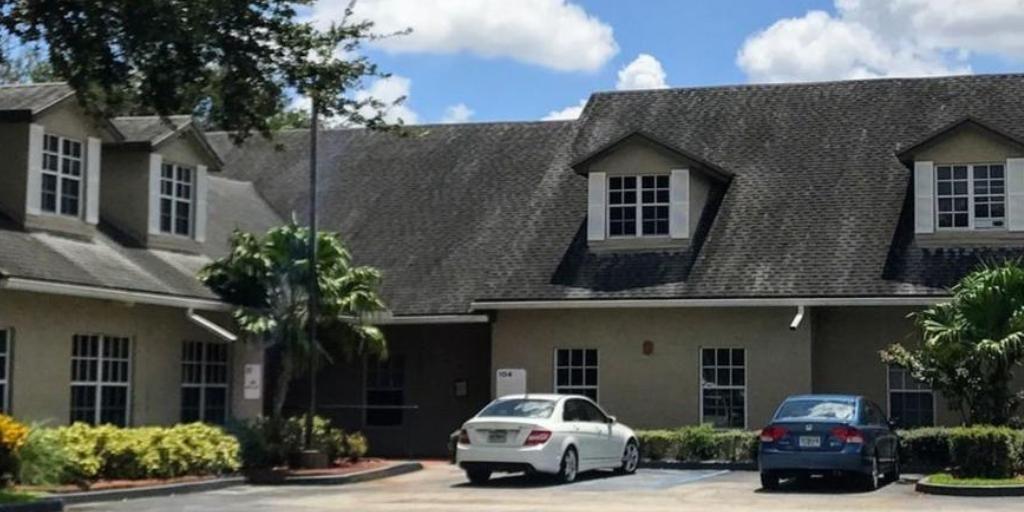
T.D.R.S. Properties Inc. has sold the property, at 7900 NW 33rd St., to New York-based investment group Nig FL Realty.
Located east of University Drive, the parcel has a 7,500-square-foot medical office building — the Carissa Rose Medical Complex — on 1.13 acres. The rest is empty land.
The town “looks forward to the construction of more medical office space,” said Phillip R. Holste, assistant town administrator and interim director of the Community Redevelopment Agency.
He said there’s demand with the construction of the new HCA hospital on the campus of Nova Southeastern University that begins later this year.
Source: Sun Sentinel

Florida’s embattled medical marijuana office continues wading through rulemaking—two years after Florida voters approved the system. But the industry is moving faster than regulators’ ability to govern it, leading to problems.
Last week a California-based medical marijuana company purchased a Florida one for $53 million. There have been a couple of these sales already. Yet only now is the Florida Department of Health’s Office of Compassionate Use coming up with rules to govern ownership transfers. The Office’s Director Christian Bax says the rule is aimed at quality control.
“And so we’re asking for the same information as we would ask another MMTC [Medical Marijuana Treatment Center] applicant,” he said.
The department wants new owners to go through a similar process as the original ones did, including background and financial checks. In the absence of firm rules on everything from how much licenses will cost, to ownership transfers, the Department is trying to put in temporary policies to fill the gap. These temporary rules are called variances.
The Office of Compassionate use has been under fire from all sides. It’s been accused of moving too slow, and earlier this year Florida lawmakers threatened to cut its funding. Some players, such as the Lockwood law firm which represents Medical Marijuana companies, want the department to speed up rule development.
“We have two major concerns with the proposed rule today. The first is that it lacks a turnaround time,” said the Lockwood firm’s Devon Nunneley. She wants to see changes that will get new products to patients faster.
“Any delay in the variance approval process really slows down our client. So we were hoping to see a rule that gives the office a certain timeline—something like 15 days—to approve or deny a variance request so that we could have some certainty in that regard.”
More recently a Leon County Circuit judge gave the state a week to make rules regarding smoke-able marijuana, after the same judge earlier found the state’s ban on smoke-ables unconstitutional. The deadline to make those rules was Monday. The state appealed the decision Friday. In a statement, a Health Department spokesman says patients have access to medical marijuana in different forms under the law and that its making progress in making medical marijuana available to the more than 117,000 Floridians who have licenses.
“And so we’re asking for the same information as we would ask another MMTC [Medical Marijuana Treatment Center] applicant,” he said.
The department wants new owners to go through a similar process as the original ones did, including background and financial checks. In the absence of firm rules on everything from how much licenses will cost, to ownership transfers, the Department is trying to put in temporary policies to fill the gap. These temporary rules are called variances.
The Office of Compassionate use has been under fire from all sides. It’s been accused of moving too slow, and earlier this year Florida lawmakers threatened to cut its funding. Some players, such as the Lockwood law firm which represents Medical Marijuana companies, want the department to speed up rule development.
“We have two major concerns with the proposed rule today. The first is that it lacks a turnaround time,” said the Lockwood firm’s Devon Nunneley. She wants to see changes that will get new products to patients faster.
“Any delay in the variance approval process really slows down our client. So we were hoping to see a rule that gives the office a certain timeline—something like 15 days—to approve or deny a variance request so that we could have some certainty in that regard.”
More recently a Leon County Circuit judge gave the state a week to make rules regarding smoke-able marijuana, after the same judge earlier found the state’s ban on smoke-ables unconstitutional. The deadline to make those rules was Monday. The state appealed the decision Friday. In a statement, a Health Department spokesman says patients have access to medical marijuana in different forms under the law and that its making progress in making medical marijuana available to the more than 117,000 Floridians who have licenses.
The Office of Compassionate use has been under fire from all sides. It’s been accused of moving too slow, and earlier this year Florida lawmakers threatened to cut its funding. Some players, such as the Lockwood law firm which represents Medical Marijuana companies, want the department to speed up rule development.
“We have two major concerns with the proposed rule today. The first is that it lacks a turnaround time,” said the Lockwood firm’s Devon Nunneley. She wants to see changes that will get new products to patients faster.
“Any delay in the variance approval process really slows down our client. So we were hoping to see a rule that gives the office a certain timeline—something like 15 days—to approve or deny a variance request so that we could have some certainty in that regard.”
More recently a Leon County Circuit judge gave the state a week to make rules regarding smoke-able marijuana, after the same judge earlier found the state’s ban on smoke-ables unconstitutional. The deadline to make those rules was Monday. The state appealed the decision Friday. In a statement, a Health Department spokesman says patients have access to medical marijuana in different forms under the law and that its making progress in making medical marijuana available to the more than 117,000 Floridians who have licenses.
“Any delay in the variance approval process really slows down our client. So we were hoping to see a rule that gives the office a certain timeline—something like 15 days—to approve or deny a variance request so that we could have some certainty in that regard.”
More recently a Leon County Circuit judge gave the state a week to make rules regarding smoke-able marijuana, after the same judge earlier found the state’s ban on smoke-ables unconstitutional. The deadline to make those rules was Monday. The state appealed the decision Friday. In a statement, a Health Department spokesman says patients have access to medical marijuana in different forms under the law and that its making progress in making medical marijuana available to the more than 117,000 Floridians who have licenses.
Source: Florida Trend
It’s the non-stop pace of our digital lives. An increasingly isolated and aging population. Rising chronic illness. Climate change. Given the pressures of the modern world, a gym membership and taking the occasional “mental health day” often just aren’t enough to maintain a healthy lifestyle.
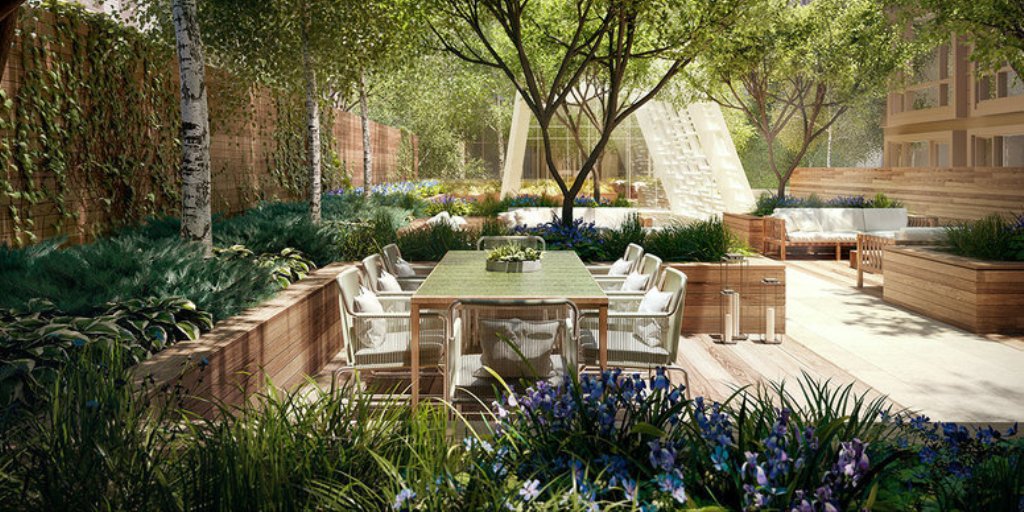
One way to achieve optimum wellness, experts and developers say, is by choosing a home that is designed for it.
The wellness real estate boom worldwide, which took off in commercial buildings with the introduction of the WELL Building Standard in 2014 as workers sought healthier office environments, is now poised to explode into the residential market, according to a 2018 report by the nonprofit Global Wellness Institute.
Homes designed for wellness usually start with energy-efficient and sustainable construction. Indoor components like natural lighting, air quality, acoustics, proximity to green spaces and exercise facilities, as well as non-toxic paints and finishes take it to the next level.
Researchers at the Miami, Florida-based Global Wellness Institute say the international wellness real estate market is now a $134 billion industry. The number of wellness-oriented properties (including residential, mixed-use and commercial) has grown 6.4% annually since 2015 and is expected to continue growing at that pace through 2022, to reach $180 billion—half the size of the global “green” building industry, according to the report, which was released in January.
The U.S. leads the market share at $52.5 billion, followed by China, Australia and the U.K. According to the report, there are more than 740 existing or planned residential projects in 34 countries that include large-scale master planned communities and urban/suburban mixed-use developments.
Particularly in the U.S., while health care spending soars, “we’re becoming more unhealthy as we live longer,” said Ophelia Yeung, a senior research fellow at the Global Wellness Institute who co-authored the report, called “Build Well to Live Well: Wellness Lifestyle Real Estate and Communities.” Naturally, Ms. Yeung said, this conflux has led to people asking themselves “why they invested their life savings in a home that is not keeping them well.”
In the heavily polluted metropolises of Asia and India, homebuyers are increasingly looking for a refuge from gritty city streets, so high-end air and water purification systems, indoor landscaping and natural furnishings are priorities.
“In these urban areas, the indoor environment is going to be so important for them — it’s a sanctuary where they’re going to escape to,” Ms. Yeung said. “It’s not just about pampering.”
The luxury real estate industry’s answer to that need is a slate of wellness-oriented properties ranging from shiny beachfront condos to self-contained urban high-rises to private villas nestled within lush private resorts.
The common denominator, developers, sales managers and researchers told Mansion Global, is that residents’ overall health and well-being is central to the design and function of the home.
That translates to a variety of amenities and services—from the standard on-site restaurant serving gourmet organic meals—to the cutting edge, like a personalized wellness plan for each member of the household, offering professional assistance on nutrition, weight loss goals, meditation practices and more.
“There is a recognition that building for human health is going to be the core (value),” in the real estate market going forward, Ms. Yeung said. “When you look at it from that perspective, it’s a whole lot bigger than the luxury apartment with the spa, the gym, the swimming pool.”
Indeed, at some newer high-end developments, staff begin assessing a homeowner’s health and wellness needs the moment a contract is signed.
Individualized Offerings
At the 120-acre Canyon Ranch resort in Lenox, Massachusetts, residents moving into one of the 19 new condominiums consult with a personal wellness adviser who then assembles a team of specialists to carry out their individualized wellness plan— including on-site physicians, nutritionists, exercise physiologists, behavioral counselors and spiritual wellness experts. Memberships with access to the full range of personalized wellness services are $9,000 annually for one person or $12,000 for a couple, in addition to homeowners association fees, spokeswoman Alexis Chernoff said.
The resort, located in the mountainous Berkshire region of Massachusetts, lends itself to multiple outdoor wellness activities. Residents can partake in weekly yoga sessions on the estate’s sprawling lawn or interactive six-course dinner parties that include lectures by a local farmer as diners gather their own ingredients from the garden, General Manager Mindi Morin said. Access to kayaking, hiking and biking is close by.
The one- and two-bedroom units are priced between $1.35 and $3.5 million; 10 out of 19 have sold since sales began last year. For many residents, the condo is their second or third home, but at least one resident decided to live there full-time after visiting the resort for years, Ms. Morin said.
“It’s the lifestyle that they want to live, and it’s really hard when you’re (only) here for a small amount of time,” she said.
The Canyon Ranch brand has several properties around the U.S., including the long-established Tucson, Arizona, resort, which has 100 luxury residences. The company calculated that prospective buyers who already have a home elsewhere would be willing to pay a premium to hold the keys to a resort property in the Northeast.
The Global Wellness Institute data supports that. According to the report, prospective homeowners are willing to pay 10% to 25% premiums for homes in wellness developments at the middle and upper end of the market, partly because supply hasn’t yet met demand. One survey cited in the report claims an estimated 1.3 million annual potential buyers for “wellness-infused homes and communities” in the U.S.
Wellness is Ageless
While these developments are a natural fit for many active retirees, a significant population of younger buyers is interested in the wellness lifestyle, experts said.
Texas native Will Robinson, 45, bought a two-bedroom, two-bathroom condo overlooking a golf course and pool at Tao Ocean Residences in Mexico, about a 90-minute drive south of Cancún. While beachfront villas at Tao are priced up to US$750,000, Robinson bought his inland unit for a song—$184,000—in 2012, following a decision to pack up his Denver home and retire early from a successful career in sales.
“I liked the idea of living in a community with like-minded people who were healthy and wanted to work out—that was a huge aspect,” said Mr. Robinson, who starts most days in the gym at Tao’s Wellness Center.
About 80% of residents are Canadian and American, sales director Paulina Almeida said, noting that Tao’s unique wellness lifestyle is not for everyone.
“We are not just selling a residence,” she said. “We’re actually selling a community,” comprised of homeowners who are interested in interacting with their neighbors and their environment.
Residents are invited to take Spanish classes on site and volunteer in the surrounding Mayan communities, maybe by teaching English to local children, caring for the endangered sea turtle population or participating in beach clean-ups, Ms. Almeida said.
Wellness Via App
Developers of the Amrit Ocean Resort & Residences in Palm Beach County, Florida, are building twin beachfront towers on Singer Island where all residents get a personalized wellness assistant, via app, that is available 24/7 to guide them on a chosen wellness plan. One might ask for a reminder to eat a healthy lunch and then have the “assistant” search local eateries and order the meal for delivery, said Dilip Barot, CEO and Founder of Creative Choice Group, which is developing the property.
“More and more people have started prioritizing their health, almost like part of a balance sheet,” Mr. Barot said.
The app will be designed exclusively for the property, Mr. Barot said, though it could function similarly to those found on the general market like 8fit.
Sales recently opened at Amrit on 182 units priced between $700,000 and $4 million, with the first occupants expected in 2019. Plans include a meditation garden and outdoor yoga studio, with classes available through a partnership with the Himalayan Institute.
Indoors, options such as heated reflexology floors, remote-controlled aromatherapy walls and vitamin C-infused showers can add an extra $10 to $15 per square foot to the price of the condo, Mr. Barot said.
In New York City, residents of the new Gramercy Square development can use an app to book meditation classes in a tranquil 600-square-foot sanctuary a short walk from their homes. The classes are offered by the MNDFL meditation studio through an exclusive partnership with the property. Residents get two free 30-minute meditation classes per month, with additional classes, private sessions and special events priced a la carte, said Heather Cook, a senior vice president and managing director at Douglas Elliman Real Estate.
Wellness for all?
For now, the high end of the real estate market seems to have a firm grip on the value of wellness properties, but experts agree it will soon gain wider appeal in lower segments of the market. As the products and materials used to construct such homes become more popular, costs will come down, said Kavita Kumari, principal engineer at Cundall, a London-based multidisciplinary engineering consultancy, who works with developers of ultra-lux sustainable properties in the UK, Asia and elsewhere.
“That’s where … the lower end of the real estate market will catch on,” Ms. Kumari said.
Ms. Yeung, the Global Wellness Institute researcher, said broad consumer awareness is “just being awakened.”
Within three to five years, she said, the mid-market will catch up with the luxury segment and it is “going to come like a tsunami.”
Source: Mansion Global
The wellness real estate boom worldwide, which took off in commercial buildings with the introduction of the WELL Building Standard in 2014 as workers sought healthier office environments, is now poised to explode into the residential market, according to a 2018 report by the nonprofit Global Wellness Institute.
Homes designed for wellness usually start with energy-efficient and sustainable construction. Indoor components like natural lighting, air quality, acoustics, proximity to green spaces and exercise facilities, as well as non-toxic paints and finishes take it to the next level.
Researchers at the Miami, Florida-based Global Wellness Institute say the international wellness real estate market is now a $134 billion industry. The number of wellness-oriented properties (including residential, mixed-use and commercial) has grown 6.4% annually since 2015 and is expected to continue growing at that pace through 2022, to reach $180 billion—half the size of the global “green” building industry, according to the report, which was released in January.
The U.S. leads the market share at $52.5 billion, followed by China, Australia and the U.K. According to the report, there are more than 740 existing or planned residential projects in 34 countries that include large-scale master planned communities and urban/suburban mixed-use developments.
Particularly in the U.S., while health care spending soars, “we’re becoming more unhealthy as we live longer,” said Ophelia Yeung, a senior research fellow at the Global Wellness Institute who co-authored the report, called “Build Well to Live Well: Wellness Lifestyle Real Estate and Communities.” Naturally, Ms. Yeung said, this conflux has led to people asking themselves “why they invested their life savings in a home that is not keeping them well.”
In the heavily polluted metropolises of Asia and India, homebuyers are increasingly looking for a refuge from gritty city streets, so high-end air and water purification systems, indoor landscaping and natural furnishings are priorities.
“In these urban areas, the indoor environment is going to be so important for them — it’s a sanctuary where they’re going to escape to,” Ms. Yeung said. “It’s not just about pampering.”
The luxury real estate industry’s answer to that need is a slate of wellness-oriented properties ranging from shiny beachfront condos to self-contained urban high-rises to private villas nestled within lush private resorts.
The common denominator, developers, sales managers and researchers told Mansion Global, is that residents’ overall health and well-being is central to the design and function of the home.
That translates to a variety of amenities and services—from the standard on-site restaurant serving gourmet organic meals—to the cutting edge, like a personalized wellness plan for each member of the household, offering professional assistance on nutrition, weight loss goals, meditation practices and more.
“There is a recognition that building for human health is going to be the core (value),” in the real estate market going forward, Ms. Yeung said. “When you look at it from that perspective, it’s a whole lot bigger than the luxury apartment with the spa, the gym, the swimming pool.”
Indeed, at some newer high-end developments, staff begin assessing a homeowner’s health and wellness needs the moment a contract is signed.
Individualized Offerings
At the 120-acre Canyon Ranch resort in Lenox, Massachusetts, residents moving into one of the 19 new condominiums consult with a personal wellness adviser who then assembles a team of specialists to carry out their individualized wellness plan— including on-site physicians, nutritionists, exercise physiologists, behavioral counselors and spiritual wellness experts. Memberships with access to the full range of personalized wellness services are $9,000 annually for one person or $12,000 for a couple, in addition to homeowners association fees, spokeswoman Alexis Chernoff said.
The resort, located in the mountainous Berkshire region of Massachusetts, lends itself to multiple outdoor wellness activities. Residents can partake in weekly yoga sessions on the estate’s sprawling lawn or interactive six-course dinner parties that include lectures by a local farmer as diners gather their own ingredients from the garden, General Manager Mindi Morin said. Access to kayaking, hiking and biking is close by.
The one- and two-bedroom units are priced between $1.35 and $3.5 million; 10 out of 19 have sold since sales began last year. For many residents, the condo is their second or third home, but at least one resident decided to live there full-time after visiting the resort for years, Ms. Morin said.
“It’s the lifestyle that they want to live, and it’s really hard when you’re (only) here for a small amount of time,” she said.
The Canyon Ranch brand has several properties around the U.S., including the long-established Tucson, Arizona, resort, which has 100 luxury residences. The company calculated that prospective buyers who already have a home elsewhere would be willing to pay a premium to hold the keys to a resort property in the Northeast.
The Global Wellness Institute data supports that. According to the report, prospective homeowners are willing to pay 10% to 25% premiums for homes in wellness developments at the middle and upper end of the market, partly because supply hasn’t yet met demand. One survey cited in the report claims an estimated 1.3 million annual potential buyers for “wellness-infused homes and communities” in the U.S.
Wellness is Ageless
While these developments are a natural fit for many active retirees, a significant population of younger buyers is interested in the wellness lifestyle, experts said.
Texas native Will Robinson, 45, bought a two-bedroom, two-bathroom condo overlooking a golf course and pool at Tao Ocean Residences in Mexico, about a 90-minute drive south of Cancún. While beachfront villas at Tao are priced up to US$750,000, Robinson bought his inland unit for a song—$184,000—in 2012, following a decision to pack up his Denver home and retire early from a successful career in sales.
“I liked the idea of living in a community with like-minded people who were healthy and wanted to work out—that was a huge aspect,” said Mr. Robinson, who starts most days in the gym at Tao’s Wellness Center.
About 80% of residents are Canadian and American, sales director Paulina Almeida said, noting that Tao’s unique wellness lifestyle is not for everyone.
“We are not just selling a residence,” she said. “We’re actually selling a community,” comprised of homeowners who are interested in interacting with their neighbors and their environment.
Residents are invited to take Spanish classes on site and volunteer in the surrounding Mayan communities, maybe by teaching English to local children, caring for the endangered sea turtle population or participating in beach clean-ups, Ms. Almeida said.
Wellness Via App
Developers of the Amrit Ocean Resort & Residences in Palm Beach County, Florida, are building twin beachfront towers on Singer Island where all residents get a personalized wellness assistant, via app, that is available 24/7 to guide them on a chosen wellness plan. One might ask for a reminder to eat a healthy lunch and then have the “assistant” search local eateries and order the meal for delivery, said Dilip Barot, CEO and Founder of Creative Choice Group, which is developing the property.
“More and more people have started prioritizing their health, almost like part of a balance sheet,” Mr. Barot said.
The app will be designed exclusively for the property, Mr. Barot said, though it could function similarly to those found on the general market like 8fit.
Sales recently opened at Amrit on 182 units priced between $700,000 and $4 million, with the first occupants expected in 2019. Plans include a meditation garden and outdoor yoga studio, with classes available through a partnership with the Himalayan Institute.
Indoors, options such as heated reflexology floors, remote-controlled aromatherapy walls and vitamin C-infused showers can add an extra $10 to $15 per square foot to the price of the condo, Mr. Barot said.
In New York City, residents of the new Gramercy Square development can use an app to book meditation classes in a tranquil 600-square-foot sanctuary a short walk from their homes. The classes are offered by the MNDFL meditation studio through an exclusive partnership with the property. Residents get two free 30-minute meditation classes per month, with additional classes, private sessions and special events priced a la carte, said Heather Cook, a senior vice president and managing director at Douglas Elliman Real Estate.
Wellness for all?
For now, the high end of the real estate market seems to have a firm grip on the value of wellness properties, but experts agree it will soon gain wider appeal in lower segments of the market. As the products and materials used to construct such homes become more popular, costs will come down, said Kavita Kumari, principal engineer at Cundall, a London-based multidisciplinary engineering consultancy, who works with developers of ultra-lux sustainable properties in the UK, Asia and elsewhere.
“That’s where … the lower end of the real estate market will catch on,” Ms. Kumari said.
Ms. Yeung, the Global Wellness Institute researcher, said broad consumer awareness is “just being awakened.”
Within three to five years, she said, the mid-market will catch up with the luxury segment and it is “going to come like a tsunami.”
Source: Mansion Global
Researchers at the Miami, Florida-based Global Wellness Institute say the international wellness real estate market is now a $134 billion industry. The number of wellness-oriented properties (including residential, mixed-use and commercial) has grown 6.4% annually since 2015 and is expected to continue growing at that pace through 2022, to reach $180 billion—half the size of the global “green” building industry, according to the report, which was released in January.
The U.S. leads the market share at $52.5 billion, followed by China, Australia and the U.K. According to the report, there are more than 740 existing or planned residential projects in 34 countries that include large-scale master planned communities and urban/suburban mixed-use developments.
Particularly in the U.S., while health care spending soars, “we’re becoming more unhealthy as we live longer,” said Ophelia Yeung, a senior research fellow at the Global Wellness Institute who co-authored the report, called “Build Well to Live Well: Wellness Lifestyle Real Estate and Communities.” Naturally, Ms. Yeung said, this conflux has led to people asking themselves “why they invested their life savings in a home that is not keeping them well.”
In the heavily polluted metropolises of Asia and India, homebuyers are increasingly looking for a refuge from gritty city streets, so high-end air and water purification systems, indoor landscaping and natural furnishings are priorities.
“In these urban areas, the indoor environment is going to be so important for them — it’s a sanctuary where they’re going to escape to,” Ms. Yeung said. “It’s not just about pampering.”
The luxury real estate industry’s answer to that need is a slate of wellness-oriented properties ranging from shiny beachfront condos to self-contained urban high-rises to private villas nestled within lush private resorts.
The common denominator, developers, sales managers and researchers told Mansion Global, is that residents’ overall health and well-being is central to the design and function of the home.
That translates to a variety of amenities and services—from the standard on-site restaurant serving gourmet organic meals—to the cutting edge, like a personalized wellness plan for each member of the household, offering professional assistance on nutrition, weight loss goals, meditation practices and more.
“There is a recognition that building for human health is going to be the core (value),” in the real estate market going forward, Ms. Yeung said. “When you look at it from that perspective, it’s a whole lot bigger than the luxury apartment with the spa, the gym, the swimming pool.”
Indeed, at some newer high-end developments, staff begin assessing a homeowner’s health and wellness needs the moment a contract is signed.
Individualized Offerings
At the 120-acre Canyon Ranch resort in Lenox, Massachusetts, residents moving into one of the 19 new condominiums consult with a personal wellness adviser who then assembles a team of specialists to carry out their individualized wellness plan— including on-site physicians, nutritionists, exercise physiologists, behavioral counselors and spiritual wellness experts. Memberships with access to the full range of personalized wellness services are $9,000 annually for one person or $12,000 for a couple, in addition to homeowners association fees, spokeswoman Alexis Chernoff said.
The resort, located in the mountainous Berkshire region of Massachusetts, lends itself to multiple outdoor wellness activities. Residents can partake in weekly yoga sessions on the estate’s sprawling lawn or interactive six-course dinner parties that include lectures by a local farmer as diners gather their own ingredients from the garden, General Manager Mindi Morin said. Access to kayaking, hiking and biking is close by.
The one- and two-bedroom units are priced between $1.35 and $3.5 million; 10 out of 19 have sold since sales began last year. For many residents, the condo is their second or third home, but at least one resident decided to live there full-time after visiting the resort for years, Ms. Morin said.
“It’s the lifestyle that they want to live, and it’s really hard when you’re (only) here for a small amount of time,” she said.
The Canyon Ranch brand has several properties around the U.S., including the long-established Tucson, Arizona, resort, which has 100 luxury residences. The company calculated that prospective buyers who already have a home elsewhere would be willing to pay a premium to hold the keys to a resort property in the Northeast.
The Global Wellness Institute data supports that. According to the report, prospective homeowners are willing to pay 10% to 25% premiums for homes in wellness developments at the middle and upper end of the market, partly because supply hasn’t yet met demand. One survey cited in the report claims an estimated 1.3 million annual potential buyers for “wellness-infused homes and communities” in the U.S.
Wellness is Ageless
While these developments are a natural fit for many active retirees, a significant population of younger buyers is interested in the wellness lifestyle, experts said.
Texas native Will Robinson, 45, bought a two-bedroom, two-bathroom condo overlooking a golf course and pool at Tao Ocean Residences in Mexico, about a 90-minute drive south of Cancún. While beachfront villas at Tao are priced up to US$750,000, Robinson bought his inland unit for a song—$184,000—in 2012, following a decision to pack up his Denver home and retire early from a successful career in sales.
“I liked the idea of living in a community with like-minded people who were healthy and wanted to work out—that was a huge aspect,” said Mr. Robinson, who starts most days in the gym at Tao’s Wellness Center.
About 80% of residents are Canadian and American, sales director Paulina Almeida said, noting that Tao’s unique wellness lifestyle is not for everyone.
“We are not just selling a residence,” she said. “We’re actually selling a community,” comprised of homeowners who are interested in interacting with their neighbors and their environment.
Residents are invited to take Spanish classes on site and volunteer in the surrounding Mayan communities, maybe by teaching English to local children, caring for the endangered sea turtle population or participating in beach clean-ups, Ms. Almeida said.
Wellness Via App
Developers of the Amrit Ocean Resort & Residences in Palm Beach County, Florida, are building twin beachfront towers on Singer Island where all residents get a personalized wellness assistant, via app, that is available 24/7 to guide them on a chosen wellness plan. One might ask for a reminder to eat a healthy lunch and then have the “assistant” search local eateries and order the meal for delivery, said Dilip Barot, CEO and Founder of Creative Choice Group, which is developing the property.
“More and more people have started prioritizing their health, almost like part of a balance sheet,” Mr. Barot said.
The app will be designed exclusively for the property, Mr. Barot said, though it could function similarly to those found on the general market like 8fit.
Sales recently opened at Amrit on 182 units priced between $700,000 and $4 million, with the first occupants expected in 2019. Plans include a meditation garden and outdoor yoga studio, with classes available through a partnership with the Himalayan Institute.
Indoors, options such as heated reflexology floors, remote-controlled aromatherapy walls and vitamin C-infused showers can add an extra $10 to $15 per square foot to the price of the condo, Mr. Barot said.
In New York City, residents of the new Gramercy Square development can use an app to book meditation classes in a tranquil 600-square-foot sanctuary a short walk from their homes. The classes are offered by the MNDFL meditation studio through an exclusive partnership with the property. Residents get two free 30-minute meditation classes per month, with additional classes, private sessions and special events priced a la carte, said Heather Cook, a senior vice president and managing director at Douglas Elliman Real Estate.
Wellness for all?
For now, the high end of the real estate market seems to have a firm grip on the value of wellness properties, but experts agree it will soon gain wider appeal in lower segments of the market. As the products and materials used to construct such homes become more popular, costs will come down, said Kavita Kumari, principal engineer at Cundall, a London-based multidisciplinary engineering consultancy, who works with developers of ultra-lux sustainable properties in the UK, Asia and elsewhere.
“That’s where … the lower end of the real estate market will catch on,” Ms. Kumari said.
Ms. Yeung, the Global Wellness Institute researcher, said broad consumer awareness is “just being awakened.”
Within three to five years, she said, the mid-market will catch up with the luxury segment and it is “going to come like a tsunami.”
Source: Mansion Global
Particularly in the U.S., while health care spending soars, “we’re becoming more unhealthy as we live longer,” said Ophelia Yeung, a senior research fellow at the Global Wellness Institute who co-authored the report, called “Build Well to Live Well: Wellness Lifestyle Real Estate and Communities.” Naturally, Ms. Yeung said, this conflux has led to people asking themselves “why they invested their life savings in a home that is not keeping them well.”
In the heavily polluted metropolises of Asia and India, homebuyers are increasingly looking for a refuge from gritty city streets, so high-end air and water purification systems, indoor landscaping and natural furnishings are priorities.
“In these urban areas, the indoor environment is going to be so important for them — it’s a sanctuary where they’re going to escape to,” Ms. Yeung said. “It’s not just about pampering.”
The luxury real estate industry’s answer to that need is a slate of wellness-oriented properties ranging from shiny beachfront condos to self-contained urban high-rises to private villas nestled within lush private resorts.
The common denominator, developers, sales managers and researchers told Mansion Global, is that residents’ overall health and well-being is central to the design and function of the home.
That translates to a variety of amenities and services—from the standard on-site restaurant serving gourmet organic meals—to the cutting edge, like a personalized wellness plan for each member of the household, offering professional assistance on nutrition, weight loss goals, meditation practices and more.
“There is a recognition that building for human health is going to be the core (value),” in the real estate market going forward, Ms. Yeung said. “When you look at it from that perspective, it’s a whole lot bigger than the luxury apartment with the spa, the gym, the swimming pool.”
Indeed, at some newer high-end developments, staff begin assessing a homeowner’s health and wellness needs the moment a contract is signed.
Individualized Offerings
At the 120-acre Canyon Ranch resort in Lenox, Massachusetts, residents moving into one of the 19 new condominiums consult with a personal wellness adviser who then assembles a team of specialists to carry out their individualized wellness plan— including on-site physicians, nutritionists, exercise physiologists, behavioral counselors and spiritual wellness experts. Memberships with access to the full range of personalized wellness services are $9,000 annually for one person or $12,000 for a couple, in addition to homeowners association fees, spokeswoman Alexis Chernoff said.
The resort, located in the mountainous Berkshire region of Massachusetts, lends itself to multiple outdoor wellness activities. Residents can partake in weekly yoga sessions on the estate’s sprawling lawn or interactive six-course dinner parties that include lectures by a local farmer as diners gather their own ingredients from the garden, General Manager Mindi Morin said. Access to kayaking, hiking and biking is close by.
The one- and two-bedroom units are priced between $1.35 and $3.5 million; 10 out of 19 have sold since sales began last year. For many residents, the condo is their second or third home, but at least one resident decided to live there full-time after visiting the resort for years, Ms. Morin said.
“It’s the lifestyle that they want to live, and it’s really hard when you’re (only) here for a small amount of time,” she said.
The Canyon Ranch brand has several properties around the U.S., including the long-established Tucson, Arizona, resort, which has 100 luxury residences. The company calculated that prospective buyers who already have a home elsewhere would be willing to pay a premium to hold the keys to a resort property in the Northeast.
The Global Wellness Institute data supports that. According to the report, prospective homeowners are willing to pay 10% to 25% premiums for homes in wellness developments at the middle and upper end of the market, partly because supply hasn’t yet met demand. One survey cited in the report claims an estimated 1.3 million annual potential buyers for “wellness-infused homes and communities” in the U.S.
Wellness is Ageless
While these developments are a natural fit for many active retirees, a significant population of younger buyers is interested in the wellness lifestyle, experts said.
Texas native Will Robinson, 45, bought a two-bedroom, two-bathroom condo overlooking a golf course and pool at Tao Ocean Residences in Mexico, about a 90-minute drive south of Cancún. While beachfront villas at Tao are priced up to US$750,000, Robinson bought his inland unit for a song—$184,000—in 2012, following a decision to pack up his Denver home and retire early from a successful career in sales.
“I liked the idea of living in a community with like-minded people who were healthy and wanted to work out—that was a huge aspect,” said Mr. Robinson, who starts most days in the gym at Tao’s Wellness Center.
About 80% of residents are Canadian and American, sales director Paulina Almeida said, noting that Tao’s unique wellness lifestyle is not for everyone.
“We are not just selling a residence,” she said. “We’re actually selling a community,” comprised of homeowners who are interested in interacting with their neighbors and their environment.
Residents are invited to take Spanish classes on site and volunteer in the surrounding Mayan communities, maybe by teaching English to local children, caring for the endangered sea turtle population or participating in beach clean-ups, Ms. Almeida said.
Wellness Via App
Developers of the Amrit Ocean Resort & Residences in Palm Beach County, Florida, are building twin beachfront towers on Singer Island where all residents get a personalized wellness assistant, via app, that is available 24/7 to guide them on a chosen wellness plan. One might ask for a reminder to eat a healthy lunch and then have the “assistant” search local eateries and order the meal for delivery, said Dilip Barot, CEO and Founder of Creative Choice Group, which is developing the property.
“More and more people have started prioritizing their health, almost like part of a balance sheet,” Mr. Barot said.
The app will be designed exclusively for the property, Mr. Barot said, though it could function similarly to those found on the general market like 8fit.
Sales recently opened at Amrit on 182 units priced between $700,000 and $4 million, with the first occupants expected in 2019. Plans include a meditation garden and outdoor yoga studio, with classes available through a partnership with the Himalayan Institute.
Indoors, options such as heated reflexology floors, remote-controlled aromatherapy walls and vitamin C-infused showers can add an extra $10 to $15 per square foot to the price of the condo, Mr. Barot said.
In New York City, residents of the new Gramercy Square development can use an app to book meditation classes in a tranquil 600-square-foot sanctuary a short walk from their homes. The classes are offered by the MNDFL meditation studio through an exclusive partnership with the property. Residents get two free 30-minute meditation classes per month, with additional classes, private sessions and special events priced a la carte, said Heather Cook, a senior vice president and managing director at Douglas Elliman Real Estate.
Wellness for all?
For now, the high end of the real estate market seems to have a firm grip on the value of wellness properties, but experts agree it will soon gain wider appeal in lower segments of the market. As the products and materials used to construct such homes become more popular, costs will come down, said Kavita Kumari, principal engineer at Cundall, a London-based multidisciplinary engineering consultancy, who works with developers of ultra-lux sustainable properties in the UK, Asia and elsewhere.
“That’s where … the lower end of the real estate market will catch on,” Ms. Kumari said.
Ms. Yeung, the Global Wellness Institute researcher, said broad consumer awareness is “just being awakened.”
Within three to five years, she said, the mid-market will catch up with the luxury segment and it is “going to come like a tsunami.”
Source: Mansion Global
“In these urban areas, the indoor environment is going to be so important for them — it’s a sanctuary where they’re going to escape to,” Ms. Yeung said. “It’s not just about pampering.”
The luxury real estate industry’s answer to that need is a slate of wellness-oriented properties ranging from shiny beachfront condos to self-contained urban high-rises to private villas nestled within lush private resorts.
The common denominator, developers, sales managers and researchers told Mansion Global, is that residents’ overall health and well-being is central to the design and function of the home.
That translates to a variety of amenities and services—from the standard on-site restaurant serving gourmet organic meals—to the cutting edge, like a personalized wellness plan for each member of the household, offering professional assistance on nutrition, weight loss goals, meditation practices and more.
“There is a recognition that building for human health is going to be the core (value),” in the real estate market going forward, Ms. Yeung said. “When you look at it from that perspective, it’s a whole lot bigger than the luxury apartment with the spa, the gym, the swimming pool.”
Indeed, at some newer high-end developments, staff begin assessing a homeowner’s health and wellness needs the moment a contract is signed.
Individualized Offerings
At the 120-acre Canyon Ranch resort in Lenox, Massachusetts, residents moving into one of the 19 new condominiums consult with a personal wellness adviser who then assembles a team of specialists to carry out their individualized wellness plan— including on-site physicians, nutritionists, exercise physiologists, behavioral counselors and spiritual wellness experts. Memberships with access to the full range of personalized wellness services are $9,000 annually for one person or $12,000 for a couple, in addition to homeowners association fees, spokeswoman Alexis Chernoff said.
The resort, located in the mountainous Berkshire region of Massachusetts, lends itself to multiple outdoor wellness activities. Residents can partake in weekly yoga sessions on the estate’s sprawling lawn or interactive six-course dinner parties that include lectures by a local farmer as diners gather their own ingredients from the garden, General Manager Mindi Morin said. Access to kayaking, hiking and biking is close by.
The one- and two-bedroom units are priced between $1.35 and $3.5 million; 10 out of 19 have sold since sales began last year. For many residents, the condo is their second or third home, but at least one resident decided to live there full-time after visiting the resort for years, Ms. Morin said.
“It’s the lifestyle that they want to live, and it’s really hard when you’re (only) here for a small amount of time,” she said.
The Canyon Ranch brand has several properties around the U.S., including the long-established Tucson, Arizona, resort, which has 100 luxury residences. The company calculated that prospective buyers who already have a home elsewhere would be willing to pay a premium to hold the keys to a resort property in the Northeast.
The Global Wellness Institute data supports that. According to the report, prospective homeowners are willing to pay 10% to 25% premiums for homes in wellness developments at the middle and upper end of the market, partly because supply hasn’t yet met demand. One survey cited in the report claims an estimated 1.3 million annual potential buyers for “wellness-infused homes and communities” in the U.S.
Wellness is Ageless
While these developments are a natural fit for many active retirees, a significant population of younger buyers is interested in the wellness lifestyle, experts said.
Texas native Will Robinson, 45, bought a two-bedroom, two-bathroom condo overlooking a golf course and pool at Tao Ocean Residences in Mexico, about a 90-minute drive south of Cancún. While beachfront villas at Tao are priced up to US$750,000, Robinson bought his inland unit for a song—$184,000—in 2012, following a decision to pack up his Denver home and retire early from a successful career in sales.
“I liked the idea of living in a community with like-minded people who were healthy and wanted to work out—that was a huge aspect,” said Mr. Robinson, who starts most days in the gym at Tao’s Wellness Center.
About 80% of residents are Canadian and American, sales director Paulina Almeida said, noting that Tao’s unique wellness lifestyle is not for everyone.
“We are not just selling a residence,” she said. “We’re actually selling a community,” comprised of homeowners who are interested in interacting with their neighbors and their environment.
Residents are invited to take Spanish classes on site and volunteer in the surrounding Mayan communities, maybe by teaching English to local children, caring for the endangered sea turtle population or participating in beach clean-ups, Ms. Almeida said.
Wellness Via App
Developers of the Amrit Ocean Resort & Residences in Palm Beach County, Florida, are building twin beachfront towers on Singer Island where all residents get a personalized wellness assistant, via app, that is available 24/7 to guide them on a chosen wellness plan. One might ask for a reminder to eat a healthy lunch and then have the “assistant” search local eateries and order the meal for delivery, said Dilip Barot, CEO and Founder of Creative Choice Group, which is developing the property.
“More and more people have started prioritizing their health, almost like part of a balance sheet,” Mr. Barot said.
The app will be designed exclusively for the property, Mr. Barot said, though it could function similarly to those found on the general market like 8fit.
Sales recently opened at Amrit on 182 units priced between $700,000 and $4 million, with the first occupants expected in 2019. Plans include a meditation garden and outdoor yoga studio, with classes available through a partnership with the Himalayan Institute.
Indoors, options such as heated reflexology floors, remote-controlled aromatherapy walls and vitamin C-infused showers can add an extra $10 to $15 per square foot to the price of the condo, Mr. Barot said.
In New York City, residents of the new Gramercy Square development can use an app to book meditation classes in a tranquil 600-square-foot sanctuary a short walk from their homes. The classes are offered by the MNDFL meditation studio through an exclusive partnership with the property. Residents get two free 30-minute meditation classes per month, with additional classes, private sessions and special events priced a la carte, said Heather Cook, a senior vice president and managing director at Douglas Elliman Real Estate.
Wellness for all?
For now, the high end of the real estate market seems to have a firm grip on the value of wellness properties, but experts agree it will soon gain wider appeal in lower segments of the market. As the products and materials used to construct such homes become more popular, costs will come down, said Kavita Kumari, principal engineer at Cundall, a London-based multidisciplinary engineering consultancy, who works with developers of ultra-lux sustainable properties in the UK, Asia and elsewhere.
“That’s where … the lower end of the real estate market will catch on,” Ms. Kumari said.
Ms. Yeung, the Global Wellness Institute researcher, said broad consumer awareness is “just being awakened.”
Within three to five years, she said, the mid-market will catch up with the luxury segment and it is “going to come like a tsunami.”
Source: Mansion Global
The common denominator, developers, sales managers and researchers told Mansion Global, is that residents’ overall health and well-being is central to the design and function of the home.
That translates to a variety of amenities and services—from the standard on-site restaurant serving gourmet organic meals—to the cutting edge, like a personalized wellness plan for each member of the household, offering professional assistance on nutrition, weight loss goals, meditation practices and more.
“There is a recognition that building for human health is going to be the core (value),” in the real estate market going forward, Ms. Yeung said. “When you look at it from that perspective, it’s a whole lot bigger than the luxury apartment with the spa, the gym, the swimming pool.”
Indeed, at some newer high-end developments, staff begin assessing a homeowner’s health and wellness needs the moment a contract is signed.
Individualized Offerings
At the 120-acre Canyon Ranch resort in Lenox, Massachusetts, residents moving into one of the 19 new condominiums consult with a personal wellness adviser who then assembles a team of specialists to carry out their individualized wellness plan— including on-site physicians, nutritionists, exercise physiologists, behavioral counselors and spiritual wellness experts. Memberships with access to the full range of personalized wellness services are $9,000 annually for one person or $12,000 for a couple, in addition to homeowners association fees, spokeswoman Alexis Chernoff said.
The resort, located in the mountainous Berkshire region of Massachusetts, lends itself to multiple outdoor wellness activities. Residents can partake in weekly yoga sessions on the estate’s sprawling lawn or interactive six-course dinner parties that include lectures by a local farmer as diners gather their own ingredients from the garden, General Manager Mindi Morin said. Access to kayaking, hiking and biking is close by.
The one- and two-bedroom units are priced between $1.35 and $3.5 million; 10 out of 19 have sold since sales began last year. For many residents, the condo is their second or third home, but at least one resident decided to live there full-time after visiting the resort for years, Ms. Morin said.
“It’s the lifestyle that they want to live, and it’s really hard when you’re (only) here for a small amount of time,” she said.
The Canyon Ranch brand has several properties around the U.S., including the long-established Tucson, Arizona, resort, which has 100 luxury residences. The company calculated that prospective buyers who already have a home elsewhere would be willing to pay a premium to hold the keys to a resort property in the Northeast.
The Global Wellness Institute data supports that. According to the report, prospective homeowners are willing to pay 10% to 25% premiums for homes in wellness developments at the middle and upper end of the market, partly because supply hasn’t yet met demand. One survey cited in the report claims an estimated 1.3 million annual potential buyers for “wellness-infused homes and communities” in the U.S.
Wellness is Ageless
While these developments are a natural fit for many active retirees, a significant population of younger buyers is interested in the wellness lifestyle, experts said.
Texas native Will Robinson, 45, bought a two-bedroom, two-bathroom condo overlooking a golf course and pool at Tao Ocean Residences in Mexico, about a 90-minute drive south of Cancún. While beachfront villas at Tao are priced up to US$750,000, Robinson bought his inland unit for a song—$184,000—in 2012, following a decision to pack up his Denver home and retire early from a successful career in sales.
“I liked the idea of living in a community with like-minded people who were healthy and wanted to work out—that was a huge aspect,” said Mr. Robinson, who starts most days in the gym at Tao’s Wellness Center.
About 80% of residents are Canadian and American, sales director Paulina Almeida said, noting that Tao’s unique wellness lifestyle is not for everyone.
“We are not just selling a residence,” she said. “We’re actually selling a community,” comprised of homeowners who are interested in interacting with their neighbors and their environment.
Residents are invited to take Spanish classes on site and volunteer in the surrounding Mayan communities, maybe by teaching English to local children, caring for the endangered sea turtle population or participating in beach clean-ups, Ms. Almeida said.
Wellness Via App
Developers of the Amrit Ocean Resort & Residences in Palm Beach County, Florida, are building twin beachfront towers on Singer Island where all residents get a personalized wellness assistant, via app, that is available 24/7 to guide them on a chosen wellness plan. One might ask for a reminder to eat a healthy lunch and then have the “assistant” search local eateries and order the meal for delivery, said Dilip Barot, CEO and Founder of Creative Choice Group, which is developing the property.
“More and more people have started prioritizing their health, almost like part of a balance sheet,” Mr. Barot said.
The app will be designed exclusively for the property, Mr. Barot said, though it could function similarly to those found on the general market like 8fit.
Sales recently opened at Amrit on 182 units priced between $700,000 and $4 million, with the first occupants expected in 2019. Plans include a meditation garden and outdoor yoga studio, with classes available through a partnership with the Himalayan Institute.
Indoors, options such as heated reflexology floors, remote-controlled aromatherapy walls and vitamin C-infused showers can add an extra $10 to $15 per square foot to the price of the condo, Mr. Barot said.
In New York City, residents of the new Gramercy Square development can use an app to book meditation classes in a tranquil 600-square-foot sanctuary a short walk from their homes. The classes are offered by the MNDFL meditation studio through an exclusive partnership with the property. Residents get two free 30-minute meditation classes per month, with additional classes, private sessions and special events priced a la carte, said Heather Cook, a senior vice president and managing director at Douglas Elliman Real Estate.
Wellness for all?
For now, the high end of the real estate market seems to have a firm grip on the value of wellness properties, but experts agree it will soon gain wider appeal in lower segments of the market. As the products and materials used to construct such homes become more popular, costs will come down, said Kavita Kumari, principal engineer at Cundall, a London-based multidisciplinary engineering consultancy, who works with developers of ultra-lux sustainable properties in the UK, Asia and elsewhere.
“That’s where … the lower end of the real estate market will catch on,” Ms. Kumari said.
Ms. Yeung, the Global Wellness Institute researcher, said broad consumer awareness is “just being awakened.”
Within three to five years, she said, the mid-market will catch up with the luxury segment and it is “going to come like a tsunami.”
Source: Mansion Global
“There is a recognition that building for human health is going to be the core (value),” in the real estate market going forward, Ms. Yeung said. “When you look at it from that perspective, it’s a whole lot bigger than the luxury apartment with the spa, the gym, the swimming pool.”
Indeed, at some newer high-end developments, staff begin assessing a homeowner’s health and wellness needs the moment a contract is signed.
Individualized Offerings
At the 120-acre Canyon Ranch resort in Lenox, Massachusetts, residents moving into one of the 19 new condominiums consult with a personal wellness adviser who then assembles a team of specialists to carry out their individualized wellness plan— including on-site physicians, nutritionists, exercise physiologists, behavioral counselors and spiritual wellness experts. Memberships with access to the full range of personalized wellness services are $9,000 annually for one person or $12,000 for a couple, in addition to homeowners association fees, spokeswoman Alexis Chernoff said.
The resort, located in the mountainous Berkshire region of Massachusetts, lends itself to multiple outdoor wellness activities. Residents can partake in weekly yoga sessions on the estate’s sprawling lawn or interactive six-course dinner parties that include lectures by a local farmer as diners gather their own ingredients from the garden, General Manager Mindi Morin said. Access to kayaking, hiking and biking is close by.
The one- and two-bedroom units are priced between $1.35 and $3.5 million; 10 out of 19 have sold since sales began last year. For many residents, the condo is their second or third home, but at least one resident decided to live there full-time after visiting the resort for years, Ms. Morin said.
“It’s the lifestyle that they want to live, and it’s really hard when you’re (only) here for a small amount of time,” she said.
The Canyon Ranch brand has several properties around the U.S., including the long-established Tucson, Arizona, resort, which has 100 luxury residences. The company calculated that prospective buyers who already have a home elsewhere would be willing to pay a premium to hold the keys to a resort property in the Northeast.
The Global Wellness Institute data supports that. According to the report, prospective homeowners are willing to pay 10% to 25% premiums for homes in wellness developments at the middle and upper end of the market, partly because supply hasn’t yet met demand. One survey cited in the report claims an estimated 1.3 million annual potential buyers for “wellness-infused homes and communities” in the U.S.
Wellness is Ageless
While these developments are a natural fit for many active retirees, a significant population of younger buyers is interested in the wellness lifestyle, experts said.
Texas native Will Robinson, 45, bought a two-bedroom, two-bathroom condo overlooking a golf course and pool at Tao Ocean Residences in Mexico, about a 90-minute drive south of Cancún. While beachfront villas at Tao are priced up to US$750,000, Robinson bought his inland unit for a song—$184,000—in 2012, following a decision to pack up his Denver home and retire early from a successful career in sales.
“I liked the idea of living in a community with like-minded people who were healthy and wanted to work out—that was a huge aspect,” said Mr. Robinson, who starts most days in the gym at Tao’s Wellness Center.
About 80% of residents are Canadian and American, sales director Paulina Almeida said, noting that Tao’s unique wellness lifestyle is not for everyone.
“We are not just selling a residence,” she said. “We’re actually selling a community,” comprised of homeowners who are interested in interacting with their neighbors and their environment.
Residents are invited to take Spanish classes on site and volunteer in the surrounding Mayan communities, maybe by teaching English to local children, caring for the endangered sea turtle population or participating in beach clean-ups, Ms. Almeida said.
Wellness Via App
Developers of the Amrit Ocean Resort & Residences in Palm Beach County, Florida, are building twin beachfront towers on Singer Island where all residents get a personalized wellness assistant, via app, that is available 24/7 to guide them on a chosen wellness plan. One might ask for a reminder to eat a healthy lunch and then have the “assistant” search local eateries and order the meal for delivery, said Dilip Barot, CEO and Founder of Creative Choice Group, which is developing the property.
“More and more people have started prioritizing their health, almost like part of a balance sheet,” Mr. Barot said.
The app will be designed exclusively for the property, Mr. Barot said, though it could function similarly to those found on the general market like 8fit.
Sales recently opened at Amrit on 182 units priced between $700,000 and $4 million, with the first occupants expected in 2019. Plans include a meditation garden and outdoor yoga studio, with classes available through a partnership with the Himalayan Institute.
Indoors, options such as heated reflexology floors, remote-controlled aromatherapy walls and vitamin C-infused showers can add an extra $10 to $15 per square foot to the price of the condo, Mr. Barot said.
In New York City, residents of the new Gramercy Square development can use an app to book meditation classes in a tranquil 600-square-foot sanctuary a short walk from their homes. The classes are offered by the MNDFL meditation studio through an exclusive partnership with the property. Residents get two free 30-minute meditation classes per month, with additional classes, private sessions and special events priced a la carte, said Heather Cook, a senior vice president and managing director at Douglas Elliman Real Estate.
Wellness for all?
For now, the high end of the real estate market seems to have a firm grip on the value of wellness properties, but experts agree it will soon gain wider appeal in lower segments of the market. As the products and materials used to construct such homes become more popular, costs will come down, said Kavita Kumari, principal engineer at Cundall, a London-based multidisciplinary engineering consultancy, who works with developers of ultra-lux sustainable properties in the UK, Asia and elsewhere.
“That’s where … the lower end of the real estate market will catch on,” Ms. Kumari said.
Ms. Yeung, the Global Wellness Institute researcher, said broad consumer awareness is “just being awakened.”
Within three to five years, she said, the mid-market will catch up with the luxury segment and it is “going to come like a tsunami.”
Source: Mansion Global
Individualized Offerings
At the 120-acre Canyon Ranch resort in Lenox, Massachusetts, residents moving into one of the 19 new condominiums consult with a personal wellness adviser who then assembles a team of specialists to carry out their individualized wellness plan— including on-site physicians, nutritionists, exercise physiologists, behavioral counselors and spiritual wellness experts. Memberships with access to the full range of personalized wellness services are $9,000 annually for one person or $12,000 for a couple, in addition to homeowners association fees, spokeswoman Alexis Chernoff said.
The resort, located in the mountainous Berkshire region of Massachusetts, lends itself to multiple outdoor wellness activities. Residents can partake in weekly yoga sessions on the estate’s sprawling lawn or interactive six-course dinner parties that include lectures by a local farmer as diners gather their own ingredients from the garden, General Manager Mindi Morin said. Access to kayaking, hiking and biking is close by.
The one- and two-bedroom units are priced between $1.35 and $3.5 million; 10 out of 19 have sold since sales began last year. For many residents, the condo is their second or third home, but at least one resident decided to live there full-time after visiting the resort for years, Ms. Morin said.
“It’s the lifestyle that they want to live, and it’s really hard when you’re (only) here for a small amount of time,” she said.
The Canyon Ranch brand has several properties around the U.S., including the long-established Tucson, Arizona, resort, which has 100 luxury residences. The company calculated that prospective buyers who already have a home elsewhere would be willing to pay a premium to hold the keys to a resort property in the Northeast.
The Global Wellness Institute data supports that. According to the report, prospective homeowners are willing to pay 10% to 25% premiums for homes in wellness developments at the middle and upper end of the market, partly because supply hasn’t yet met demand. One survey cited in the report claims an estimated 1.3 million annual potential buyers for “wellness-infused homes and communities” in the U.S.
Wellness is Ageless
While these developments are a natural fit for many active retirees, a significant population of younger buyers is interested in the wellness lifestyle, experts said.
Texas native Will Robinson, 45, bought a two-bedroom, two-bathroom condo overlooking a golf course and pool at Tao Ocean Residences in Mexico, about a 90-minute drive south of Cancún. While beachfront villas at Tao are priced up to US$750,000, Robinson bought his inland unit for a song—$184,000—in 2012, following a decision to pack up his Denver home and retire early from a successful career in sales.
“I liked the idea of living in a community with like-minded people who were healthy and wanted to work out—that was a huge aspect,” said Mr. Robinson, who starts most days in the gym at Tao’s Wellness Center.
About 80% of residents are Canadian and American, sales director Paulina Almeida said, noting that Tao’s unique wellness lifestyle is not for everyone.
“We are not just selling a residence,” she said. “We’re actually selling a community,” comprised of homeowners who are interested in interacting with their neighbors and their environment.
Residents are invited to take Spanish classes on site and volunteer in the surrounding Mayan communities, maybe by teaching English to local children, caring for the endangered sea turtle population or participating in beach clean-ups, Ms. Almeida said.
Wellness Via App
Developers of the Amrit Ocean Resort & Residences in Palm Beach County, Florida, are building twin beachfront towers on Singer Island where all residents get a personalized wellness assistant, via app, that is available 24/7 to guide them on a chosen wellness plan. One might ask for a reminder to eat a healthy lunch and then have the “assistant” search local eateries and order the meal for delivery, said Dilip Barot, CEO and Founder of Creative Choice Group, which is developing the property.
“More and more people have started prioritizing their health, almost like part of a balance sheet,” Mr. Barot said.
The app will be designed exclusively for the property, Mr. Barot said, though it could function similarly to those found on the general market like 8fit.
Sales recently opened at Amrit on 182 units priced between $700,000 and $4 million, with the first occupants expected in 2019. Plans include a meditation garden and outdoor yoga studio, with classes available through a partnership with the Himalayan Institute.
Indoors, options such as heated reflexology floors, remote-controlled aromatherapy walls and vitamin C-infused showers can add an extra $10 to $15 per square foot to the price of the condo, Mr. Barot said.
In New York City, residents of the new Gramercy Square development can use an app to book meditation classes in a tranquil 600-square-foot sanctuary a short walk from their homes. The classes are offered by the MNDFL meditation studio through an exclusive partnership with the property. Residents get two free 30-minute meditation classes per month, with additional classes, private sessions and special events priced a la carte, said Heather Cook, a senior vice president and managing director at Douglas Elliman Real Estate.
Wellness for all?
For now, the high end of the real estate market seems to have a firm grip on the value of wellness properties, but experts agree it will soon gain wider appeal in lower segments of the market. As the products and materials used to construct such homes become more popular, costs will come down, said Kavita Kumari, principal engineer at Cundall, a London-based multidisciplinary engineering consultancy, who works with developers of ultra-lux sustainable properties in the UK, Asia and elsewhere.
“That’s where … the lower end of the real estate market will catch on,” Ms. Kumari said.
Ms. Yeung, the Global Wellness Institute researcher, said broad consumer awareness is “just being awakened.”
Within three to five years, she said, the mid-market will catch up with the luxury segment and it is “going to come like a tsunami.”
Source: Mansion Global
The resort, located in the mountainous Berkshire region of Massachusetts, lends itself to multiple outdoor wellness activities. Residents can partake in weekly yoga sessions on the estate’s sprawling lawn or interactive six-course dinner parties that include lectures by a local farmer as diners gather their own ingredients from the garden, General Manager Mindi Morin said. Access to kayaking, hiking and biking is close by.
The one- and two-bedroom units are priced between $1.35 and $3.5 million; 10 out of 19 have sold since sales began last year. For many residents, the condo is their second or third home, but at least one resident decided to live there full-time after visiting the resort for years, Ms. Morin said.
“It’s the lifestyle that they want to live, and it’s really hard when you’re (only) here for a small amount of time,” she said.
The Canyon Ranch brand has several properties around the U.S., including the long-established Tucson, Arizona, resort, which has 100 luxury residences. The company calculated that prospective buyers who already have a home elsewhere would be willing to pay a premium to hold the keys to a resort property in the Northeast.
The Global Wellness Institute data supports that. According to the report, prospective homeowners are willing to pay 10% to 25% premiums for homes in wellness developments at the middle and upper end of the market, partly because supply hasn’t yet met demand. One survey cited in the report claims an estimated 1.3 million annual potential buyers for “wellness-infused homes and communities” in the U.S.
Wellness is Ageless
While these developments are a natural fit for many active retirees, a significant population of younger buyers is interested in the wellness lifestyle, experts said.
Texas native Will Robinson, 45, bought a two-bedroom, two-bathroom condo overlooking a golf course and pool at Tao Ocean Residences in Mexico, about a 90-minute drive south of Cancún. While beachfront villas at Tao are priced up to US$750,000, Robinson bought his inland unit for a song—$184,000—in 2012, following a decision to pack up his Denver home and retire early from a successful career in sales.
“I liked the idea of living in a community with like-minded people who were healthy and wanted to work out—that was a huge aspect,” said Mr. Robinson, who starts most days in the gym at Tao’s Wellness Center.
About 80% of residents are Canadian and American, sales director Paulina Almeida said, noting that Tao’s unique wellness lifestyle is not for everyone.
“We are not just selling a residence,” she said. “We’re actually selling a community,” comprised of homeowners who are interested in interacting with their neighbors and their environment.
Residents are invited to take Spanish classes on site and volunteer in the surrounding Mayan communities, maybe by teaching English to local children, caring for the endangered sea turtle population or participating in beach clean-ups, Ms. Almeida said.
Wellness Via App
Developers of the Amrit Ocean Resort & Residences in Palm Beach County, Florida, are building twin beachfront towers on Singer Island where all residents get a personalized wellness assistant, via app, that is available 24/7 to guide them on a chosen wellness plan. One might ask for a reminder to eat a healthy lunch and then have the “assistant” search local eateries and order the meal for delivery, said Dilip Barot, CEO and Founder of Creative Choice Group, which is developing the property.
“More and more people have started prioritizing their health, almost like part of a balance sheet,” Mr. Barot said.
The app will be designed exclusively for the property, Mr. Barot said, though it could function similarly to those found on the general market like 8fit.
Sales recently opened at Amrit on 182 units priced between $700,000 and $4 million, with the first occupants expected in 2019. Plans include a meditation garden and outdoor yoga studio, with classes available through a partnership with the Himalayan Institute.
Indoors, options such as heated reflexology floors, remote-controlled aromatherapy walls and vitamin C-infused showers can add an extra $10 to $15 per square foot to the price of the condo, Mr. Barot said.
In New York City, residents of the new Gramercy Square development can use an app to book meditation classes in a tranquil 600-square-foot sanctuary a short walk from their homes. The classes are offered by the MNDFL meditation studio through an exclusive partnership with the property. Residents get two free 30-minute meditation classes per month, with additional classes, private sessions and special events priced a la carte, said Heather Cook, a senior vice president and managing director at Douglas Elliman Real Estate.
Wellness for all?
For now, the high end of the real estate market seems to have a firm grip on the value of wellness properties, but experts agree it will soon gain wider appeal in lower segments of the market. As the products and materials used to construct such homes become more popular, costs will come down, said Kavita Kumari, principal engineer at Cundall, a London-based multidisciplinary engineering consultancy, who works with developers of ultra-lux sustainable properties in the UK, Asia and elsewhere.
“That’s where … the lower end of the real estate market will catch on,” Ms. Kumari said.
Ms. Yeung, the Global Wellness Institute researcher, said broad consumer awareness is “just being awakened.”
Within three to five years, she said, the mid-market will catch up with the luxury segment and it is “going to come like a tsunami.”
Source: Mansion Global
“It’s the lifestyle that they want to live, and it’s really hard when you’re (only) here for a small amount of time,” she said.
The Canyon Ranch brand has several properties around the U.S., including the long-established Tucson, Arizona, resort, which has 100 luxury residences. The company calculated that prospective buyers who already have a home elsewhere would be willing to pay a premium to hold the keys to a resort property in the Northeast.
The Global Wellness Institute data supports that. According to the report, prospective homeowners are willing to pay 10% to 25% premiums for homes in wellness developments at the middle and upper end of the market, partly because supply hasn’t yet met demand. One survey cited in the report claims an estimated 1.3 million annual potential buyers for “wellness-infused homes and communities” in the U.S.
Wellness is Ageless
While these developments are a natural fit for many active retirees, a significant population of younger buyers is interested in the wellness lifestyle, experts said.
Texas native Will Robinson, 45, bought a two-bedroom, two-bathroom condo overlooking a golf course and pool at Tao Ocean Residences in Mexico, about a 90-minute drive south of Cancún. While beachfront villas at Tao are priced up to US$750,000, Robinson bought his inland unit for a song—$184,000—in 2012, following a decision to pack up his Denver home and retire early from a successful career in sales.
“I liked the idea of living in a community with like-minded people who were healthy and wanted to work out—that was a huge aspect,” said Mr. Robinson, who starts most days in the gym at Tao’s Wellness Center.
About 80% of residents are Canadian and American, sales director Paulina Almeida said, noting that Tao’s unique wellness lifestyle is not for everyone.
“We are not just selling a residence,” she said. “We’re actually selling a community,” comprised of homeowners who are interested in interacting with their neighbors and their environment.
Residents are invited to take Spanish classes on site and volunteer in the surrounding Mayan communities, maybe by teaching English to local children, caring for the endangered sea turtle population or participating in beach clean-ups, Ms. Almeida said.
Wellness Via App
Developers of the Amrit Ocean Resort & Residences in Palm Beach County, Florida, are building twin beachfront towers on Singer Island where all residents get a personalized wellness assistant, via app, that is available 24/7 to guide them on a chosen wellness plan. One might ask for a reminder to eat a healthy lunch and then have the “assistant” search local eateries and order the meal for delivery, said Dilip Barot, CEO and Founder of Creative Choice Group, which is developing the property.
“More and more people have started prioritizing their health, almost like part of a balance sheet,” Mr. Barot said.
The app will be designed exclusively for the property, Mr. Barot said, though it could function similarly to those found on the general market like 8fit.
Sales recently opened at Amrit on 182 units priced between $700,000 and $4 million, with the first occupants expected in 2019. Plans include a meditation garden and outdoor yoga studio, with classes available through a partnership with the Himalayan Institute.
Indoors, options such as heated reflexology floors, remote-controlled aromatherapy walls and vitamin C-infused showers can add an extra $10 to $15 per square foot to the price of the condo, Mr. Barot said.
In New York City, residents of the new Gramercy Square development can use an app to book meditation classes in a tranquil 600-square-foot sanctuary a short walk from their homes. The classes are offered by the MNDFL meditation studio through an exclusive partnership with the property. Residents get two free 30-minute meditation classes per month, with additional classes, private sessions and special events priced a la carte, said Heather Cook, a senior vice president and managing director at Douglas Elliman Real Estate.
Wellness for all?
For now, the high end of the real estate market seems to have a firm grip on the value of wellness properties, but experts agree it will soon gain wider appeal in lower segments of the market. As the products and materials used to construct such homes become more popular, costs will come down, said Kavita Kumari, principal engineer at Cundall, a London-based multidisciplinary engineering consultancy, who works with developers of ultra-lux sustainable properties in the UK, Asia and elsewhere.
“That’s where … the lower end of the real estate market will catch on,” Ms. Kumari said.
Ms. Yeung, the Global Wellness Institute researcher, said broad consumer awareness is “just being awakened.”
Within three to five years, she said, the mid-market will catch up with the luxury segment and it is “going to come like a tsunami.”
Source: Mansion Global
The Global Wellness Institute data supports that. According to the report, prospective homeowners are willing to pay 10% to 25% premiums for homes in wellness developments at the middle and upper end of the market, partly because supply hasn’t yet met demand. One survey cited in the report claims an estimated 1.3 million annual potential buyers for “wellness-infused homes and communities” in the U.S.
Wellness is Ageless
While these developments are a natural fit for many active retirees, a significant population of younger buyers is interested in the wellness lifestyle, experts said.
Texas native Will Robinson, 45, bought a two-bedroom, two-bathroom condo overlooking a golf course and pool at Tao Ocean Residences in Mexico, about a 90-minute drive south of Cancún. While beachfront villas at Tao are priced up to US$750,000, Robinson bought his inland unit for a song—$184,000—in 2012, following a decision to pack up his Denver home and retire early from a successful career in sales.
“I liked the idea of living in a community with like-minded people who were healthy and wanted to work out—that was a huge aspect,” said Mr. Robinson, who starts most days in the gym at Tao’s Wellness Center.
About 80% of residents are Canadian and American, sales director Paulina Almeida said, noting that Tao’s unique wellness lifestyle is not for everyone.
“We are not just selling a residence,” she said. “We’re actually selling a community,” comprised of homeowners who are interested in interacting with their neighbors and their environment.
Residents are invited to take Spanish classes on site and volunteer in the surrounding Mayan communities, maybe by teaching English to local children, caring for the endangered sea turtle population or participating in beach clean-ups, Ms. Almeida said.
Wellness Via App
Developers of the Amrit Ocean Resort & Residences in Palm Beach County, Florida, are building twin beachfront towers on Singer Island where all residents get a personalized wellness assistant, via app, that is available 24/7 to guide them on a chosen wellness plan. One might ask for a reminder to eat a healthy lunch and then have the “assistant” search local eateries and order the meal for delivery, said Dilip Barot, CEO and Founder of Creative Choice Group, which is developing the property.
“More and more people have started prioritizing their health, almost like part of a balance sheet,” Mr. Barot said.
The app will be designed exclusively for the property, Mr. Barot said, though it could function similarly to those found on the general market like 8fit.
Sales recently opened at Amrit on 182 units priced between $700,000 and $4 million, with the first occupants expected in 2019. Plans include a meditation garden and outdoor yoga studio, with classes available through a partnership with the Himalayan Institute.
Indoors, options such as heated reflexology floors, remote-controlled aromatherapy walls and vitamin C-infused showers can add an extra $10 to $15 per square foot to the price of the condo, Mr. Barot said.
In New York City, residents of the new Gramercy Square development can use an app to book meditation classes in a tranquil 600-square-foot sanctuary a short walk from their homes. The classes are offered by the MNDFL meditation studio through an exclusive partnership with the property. Residents get two free 30-minute meditation classes per month, with additional classes, private sessions and special events priced a la carte, said Heather Cook, a senior vice president and managing director at Douglas Elliman Real Estate.
Wellness for all?
For now, the high end of the real estate market seems to have a firm grip on the value of wellness properties, but experts agree it will soon gain wider appeal in lower segments of the market. As the products and materials used to construct such homes become more popular, costs will come down, said Kavita Kumari, principal engineer at Cundall, a London-based multidisciplinary engineering consultancy, who works with developers of ultra-lux sustainable properties in the UK, Asia and elsewhere.
“That’s where … the lower end of the real estate market will catch on,” Ms. Kumari said.
Ms. Yeung, the Global Wellness Institute researcher, said broad consumer awareness is “just being awakened.”
Within three to five years, she said, the mid-market will catch up with the luxury segment and it is “going to come like a tsunami.”
Source: Mansion Global
While these developments are a natural fit for many active retirees, a significant population of younger buyers is interested in the wellness lifestyle, experts said.
Texas native Will Robinson, 45, bought a two-bedroom, two-bathroom condo overlooking a golf course and pool at Tao Ocean Residences in Mexico, about a 90-minute drive south of Cancún. While beachfront villas at Tao are priced up to US$750,000, Robinson bought his inland unit for a song—$184,000—in 2012, following a decision to pack up his Denver home and retire early from a successful career in sales.
“I liked the idea of living in a community with like-minded people who were healthy and wanted to work out—that was a huge aspect,” said Mr. Robinson, who starts most days in the gym at Tao’s Wellness Center.
About 80% of residents are Canadian and American, sales director Paulina Almeida said, noting that Tao’s unique wellness lifestyle is not for everyone.
“We are not just selling a residence,” she said. “We’re actually selling a community,” comprised of homeowners who are interested in interacting with their neighbors and their environment.
Residents are invited to take Spanish classes on site and volunteer in the surrounding Mayan communities, maybe by teaching English to local children, caring for the endangered sea turtle population or participating in beach clean-ups, Ms. Almeida said.
Wellness Via App
Developers of the Amrit Ocean Resort & Residences in Palm Beach County, Florida, are building twin beachfront towers on Singer Island where all residents get a personalized wellness assistant, via app, that is available 24/7 to guide them on a chosen wellness plan. One might ask for a reminder to eat a healthy lunch and then have the “assistant” search local eateries and order the meal for delivery, said Dilip Barot, CEO and Founder of Creative Choice Group, which is developing the property.
“More and more people have started prioritizing their health, almost like part of a balance sheet,” Mr. Barot said.
The app will be designed exclusively for the property, Mr. Barot said, though it could function similarly to those found on the general market like 8fit.
Sales recently opened at Amrit on 182 units priced between $700,000 and $4 million, with the first occupants expected in 2019. Plans include a meditation garden and outdoor yoga studio, with classes available through a partnership with the Himalayan Institute.
Indoors, options such as heated reflexology floors, remote-controlled aromatherapy walls and vitamin C-infused showers can add an extra $10 to $15 per square foot to the price of the condo, Mr. Barot said.
In New York City, residents of the new Gramercy Square development can use an app to book meditation classes in a tranquil 600-square-foot sanctuary a short walk from their homes. The classes are offered by the MNDFL meditation studio through an exclusive partnership with the property. Residents get two free 30-minute meditation classes per month, with additional classes, private sessions and special events priced a la carte, said Heather Cook, a senior vice president and managing director at Douglas Elliman Real Estate.
Wellness for all?
For now, the high end of the real estate market seems to have a firm grip on the value of wellness properties, but experts agree it will soon gain wider appeal in lower segments of the market. As the products and materials used to construct such homes become more popular, costs will come down, said Kavita Kumari, principal engineer at Cundall, a London-based multidisciplinary engineering consultancy, who works with developers of ultra-lux sustainable properties in the UK, Asia and elsewhere.
“That’s where … the lower end of the real estate market will catch on,” Ms. Kumari said.
Ms. Yeung, the Global Wellness Institute researcher, said broad consumer awareness is “just being awakened.”
Within three to five years, she said, the mid-market will catch up with the luxury segment and it is “going to come like a tsunami.”
Source: Mansion Global
“I liked the idea of living in a community with like-minded people who were healthy and wanted to work out—that was a huge aspect,” said Mr. Robinson, who starts most days in the gym at Tao’s Wellness Center.
About 80% of residents are Canadian and American, sales director Paulina Almeida said, noting that Tao’s unique wellness lifestyle is not for everyone.
“We are not just selling a residence,” she said. “We’re actually selling a community,” comprised of homeowners who are interested in interacting with their neighbors and their environment.
Residents are invited to take Spanish classes on site and volunteer in the surrounding Mayan communities, maybe by teaching English to local children, caring for the endangered sea turtle population or participating in beach clean-ups, Ms. Almeida said.
Wellness Via App
Developers of the Amrit Ocean Resort & Residences in Palm Beach County, Florida, are building twin beachfront towers on Singer Island where all residents get a personalized wellness assistant, via app, that is available 24/7 to guide them on a chosen wellness plan. One might ask for a reminder to eat a healthy lunch and then have the “assistant” search local eateries and order the meal for delivery, said Dilip Barot, CEO and Founder of Creative Choice Group, which is developing the property.
“More and more people have started prioritizing their health, almost like part of a balance sheet,” Mr. Barot said.
The app will be designed exclusively for the property, Mr. Barot said, though it could function similarly to those found on the general market like 8fit.
Sales recently opened at Amrit on 182 units priced between $700,000 and $4 million, with the first occupants expected in 2019. Plans include a meditation garden and outdoor yoga studio, with classes available through a partnership with the Himalayan Institute.
Indoors, options such as heated reflexology floors, remote-controlled aromatherapy walls and vitamin C-infused showers can add an extra $10 to $15 per square foot to the price of the condo, Mr. Barot said.
In New York City, residents of the new Gramercy Square development can use an app to book meditation classes in a tranquil 600-square-foot sanctuary a short walk from their homes. The classes are offered by the MNDFL meditation studio through an exclusive partnership with the property. Residents get two free 30-minute meditation classes per month, with additional classes, private sessions and special events priced a la carte, said Heather Cook, a senior vice president and managing director at Douglas Elliman Real Estate.
Wellness for all?
For now, the high end of the real estate market seems to have a firm grip on the value of wellness properties, but experts agree it will soon gain wider appeal in lower segments of the market. As the products and materials used to construct such homes become more popular, costs will come down, said Kavita Kumari, principal engineer at Cundall, a London-based multidisciplinary engineering consultancy, who works with developers of ultra-lux sustainable properties in the UK, Asia and elsewhere.
“That’s where … the lower end of the real estate market will catch on,” Ms. Kumari said.
Ms. Yeung, the Global Wellness Institute researcher, said broad consumer awareness is “just being awakened.”
Within three to five years, she said, the mid-market will catch up with the luxury segment and it is “going to come like a tsunami.”
Source: Mansion Global
“We are not just selling a residence,” she said. “We’re actually selling a community,” comprised of homeowners who are interested in interacting with their neighbors and their environment.
Residents are invited to take Spanish classes on site and volunteer in the surrounding Mayan communities, maybe by teaching English to local children, caring for the endangered sea turtle population or participating in beach clean-ups, Ms. Almeida said.
Wellness Via App
Developers of the Amrit Ocean Resort & Residences in Palm Beach County, Florida, are building twin beachfront towers on Singer Island where all residents get a personalized wellness assistant, via app, that is available 24/7 to guide them on a chosen wellness plan. One might ask for a reminder to eat a healthy lunch and then have the “assistant” search local eateries and order the meal for delivery, said Dilip Barot, CEO and Founder of Creative Choice Group, which is developing the property.
“More and more people have started prioritizing their health, almost like part of a balance sheet,” Mr. Barot said.
The app will be designed exclusively for the property, Mr. Barot said, though it could function similarly to those found on the general market like 8fit.
Sales recently opened at Amrit on 182 units priced between $700,000 and $4 million, with the first occupants expected in 2019. Plans include a meditation garden and outdoor yoga studio, with classes available through a partnership with the Himalayan Institute.
Indoors, options such as heated reflexology floors, remote-controlled aromatherapy walls and vitamin C-infused showers can add an extra $10 to $15 per square foot to the price of the condo, Mr. Barot said.
In New York City, residents of the new Gramercy Square development can use an app to book meditation classes in a tranquil 600-square-foot sanctuary a short walk from their homes. The classes are offered by the MNDFL meditation studio through an exclusive partnership with the property. Residents get two free 30-minute meditation classes per month, with additional classes, private sessions and special events priced a la carte, said Heather Cook, a senior vice president and managing director at Douglas Elliman Real Estate.
Wellness for all?
For now, the high end of the real estate market seems to have a firm grip on the value of wellness properties, but experts agree it will soon gain wider appeal in lower segments of the market. As the products and materials used to construct such homes become more popular, costs will come down, said Kavita Kumari, principal engineer at Cundall, a London-based multidisciplinary engineering consultancy, who works with developers of ultra-lux sustainable properties in the UK, Asia and elsewhere.
“That’s where … the lower end of the real estate market will catch on,” Ms. Kumari said.
Ms. Yeung, the Global Wellness Institute researcher, said broad consumer awareness is “just being awakened.”
Within three to five years, she said, the mid-market will catch up with the luxury segment and it is “going to come like a tsunami.”
Source: Mansion Global
Wellness Via App
Developers of the Amrit Ocean Resort & Residences in Palm Beach County, Florida, are building twin beachfront towers on Singer Island where all residents get a personalized wellness assistant, via app, that is available 24/7 to guide them on a chosen wellness plan. One might ask for a reminder to eat a healthy lunch and then have the “assistant” search local eateries and order the meal for delivery, said Dilip Barot, CEO and Founder of Creative Choice Group, which is developing the property.
“More and more people have started prioritizing their health, almost like part of a balance sheet,” Mr. Barot said.
The app will be designed exclusively for the property, Mr. Barot said, though it could function similarly to those found on the general market like 8fit.
Sales recently opened at Amrit on 182 units priced between $700,000 and $4 million, with the first occupants expected in 2019. Plans include a meditation garden and outdoor yoga studio, with classes available through a partnership with the Himalayan Institute.
Indoors, options such as heated reflexology floors, remote-controlled aromatherapy walls and vitamin C-infused showers can add an extra $10 to $15 per square foot to the price of the condo, Mr. Barot said.
In New York City, residents of the new Gramercy Square development can use an app to book meditation classes in a tranquil 600-square-foot sanctuary a short walk from their homes. The classes are offered by the MNDFL meditation studio through an exclusive partnership with the property. Residents get two free 30-minute meditation classes per month, with additional classes, private sessions and special events priced a la carte, said Heather Cook, a senior vice president and managing director at Douglas Elliman Real Estate.
Wellness for all?
For now, the high end of the real estate market seems to have a firm grip on the value of wellness properties, but experts agree it will soon gain wider appeal in lower segments of the market. As the products and materials used to construct such homes become more popular, costs will come down, said Kavita Kumari, principal engineer at Cundall, a London-based multidisciplinary engineering consultancy, who works with developers of ultra-lux sustainable properties in the UK, Asia and elsewhere.
“That’s where … the lower end of the real estate market will catch on,” Ms. Kumari said.
Ms. Yeung, the Global Wellness Institute researcher, said broad consumer awareness is “just being awakened.”
Within three to five years, she said, the mid-market will catch up with the luxury segment and it is “going to come like a tsunami.”
Source: Mansion Global
“More and more people have started prioritizing their health, almost like part of a balance sheet,” Mr. Barot said.
The app will be designed exclusively for the property, Mr. Barot said, though it could function similarly to those found on the general market like 8fit.
Sales recently opened at Amrit on 182 units priced between $700,000 and $4 million, with the first occupants expected in 2019. Plans include a meditation garden and outdoor yoga studio, with classes available through a partnership with the Himalayan Institute.
Indoors, options such as heated reflexology floors, remote-controlled aromatherapy walls and vitamin C-infused showers can add an extra $10 to $15 per square foot to the price of the condo, Mr. Barot said.
In New York City, residents of the new Gramercy Square development can use an app to book meditation classes in a tranquil 600-square-foot sanctuary a short walk from their homes. The classes are offered by the MNDFL meditation studio through an exclusive partnership with the property. Residents get two free 30-minute meditation classes per month, with additional classes, private sessions and special events priced a la carte, said Heather Cook, a senior vice president and managing director at Douglas Elliman Real Estate.
Wellness for all?
For now, the high end of the real estate market seems to have a firm grip on the value of wellness properties, but experts agree it will soon gain wider appeal in lower segments of the market. As the products and materials used to construct such homes become more popular, costs will come down, said Kavita Kumari, principal engineer at Cundall, a London-based multidisciplinary engineering consultancy, who works with developers of ultra-lux sustainable properties in the UK, Asia and elsewhere.
“That’s where … the lower end of the real estate market will catch on,” Ms. Kumari said.
Ms. Yeung, the Global Wellness Institute researcher, said broad consumer awareness is “just being awakened.”
Within three to five years, she said, the mid-market will catch up with the luxury segment and it is “going to come like a tsunami.”
Source: Mansion Global
Sales recently opened at Amrit on 182 units priced between $700,000 and $4 million, with the first occupants expected in 2019. Plans include a meditation garden and outdoor yoga studio, with classes available through a partnership with the Himalayan Institute.
Indoors, options such as heated reflexology floors, remote-controlled aromatherapy walls and vitamin C-infused showers can add an extra $10 to $15 per square foot to the price of the condo, Mr. Barot said.
In New York City, residents of the new Gramercy Square development can use an app to book meditation classes in a tranquil 600-square-foot sanctuary a short walk from their homes. The classes are offered by the MNDFL meditation studio through an exclusive partnership with the property. Residents get two free 30-minute meditation classes per month, with additional classes, private sessions and special events priced a la carte, said Heather Cook, a senior vice president and managing director at Douglas Elliman Real Estate.
Wellness for all?
For now, the high end of the real estate market seems to have a firm grip on the value of wellness properties, but experts agree it will soon gain wider appeal in lower segments of the market. As the products and materials used to construct such homes become more popular, costs will come down, said Kavita Kumari, principal engineer at Cundall, a London-based multidisciplinary engineering consultancy, who works with developers of ultra-lux sustainable properties in the UK, Asia and elsewhere.
“That’s where … the lower end of the real estate market will catch on,” Ms. Kumari said.
Ms. Yeung, the Global Wellness Institute researcher, said broad consumer awareness is “just being awakened.”
Within three to five years, she said, the mid-market will catch up with the luxury segment and it is “going to come like a tsunami.”
Source: Mansion Global
In New York City, residents of the new Gramercy Square development can use an app to book meditation classes in a tranquil 600-square-foot sanctuary a short walk from their homes. The classes are offered by the MNDFL meditation studio through an exclusive partnership with the property. Residents get two free 30-minute meditation classes per month, with additional classes, private sessions and special events priced a la carte, said Heather Cook, a senior vice president and managing director at Douglas Elliman Real Estate.
Wellness for all?
For now, the high end of the real estate market seems to have a firm grip on the value of wellness properties, but experts agree it will soon gain wider appeal in lower segments of the market. As the products and materials used to construct such homes become more popular, costs will come down, said Kavita Kumari, principal engineer at Cundall, a London-based multidisciplinary engineering consultancy, who works with developers of ultra-lux sustainable properties in the UK, Asia and elsewhere.
“That’s where … the lower end of the real estate market will catch on,” Ms. Kumari said.
Ms. Yeung, the Global Wellness Institute researcher, said broad consumer awareness is “just being awakened.”
Within three to five years, she said, the mid-market will catch up with the luxury segment and it is “going to come like a tsunami.”
Source: Mansion Global
For now, the high end of the real estate market seems to have a firm grip on the value of wellness properties, but experts agree it will soon gain wider appeal in lower segments of the market. As the products and materials used to construct such homes become more popular, costs will come down, said Kavita Kumari, principal engineer at Cundall, a London-based multidisciplinary engineering consultancy, who works with developers of ultra-lux sustainable properties in the UK, Asia and elsewhere.
“That’s where … the lower end of the real estate market will catch on,” Ms. Kumari said.
Ms. Yeung, the Global Wellness Institute researcher, said broad consumer awareness is “just being awakened.”
Within three to five years, she said, the mid-market will catch up with the luxury segment and it is “going to come like a tsunami.”
Source: Mansion Global
Ms. Yeung, the Global Wellness Institute researcher, said broad consumer awareness is “just being awakened.”
Within three to five years, she said, the mid-market will catch up with the luxury segment and it is “going to come like a tsunami.”
Source: Mansion Global
Source: Mansion Global