South Florida Healthcare Real Estate Pipeline Expands As Demand For Medical Space Holds Firm
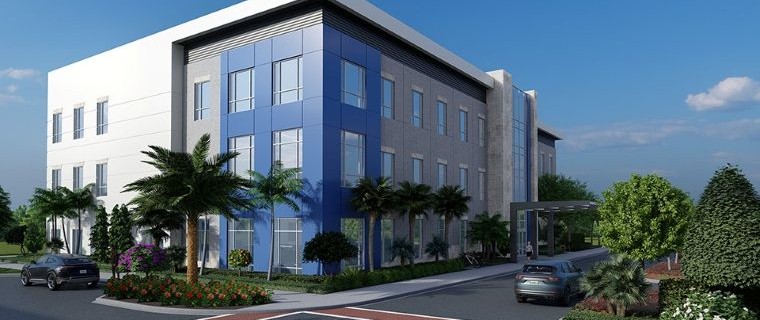
South Florida’s healthcare real estate pipeline continues to show strength, with new projects advancing across medical office, hospital, emergency care and skilled nursing uses.
The momentum reflects a broader shift in the healthcare industry: providers are expanding closer to where patients live, while investors continue to view medical real estate as a stable property sector supported by aging demographics, outpatient care demand and limited new supply.
In Palm Beach Gardens, healthcare development is becoming a key part of the growing Avenir community. Health Park at Avenir is planned as a medical campus with a 53,000-square-foot hospital, up to 29 inpatient beds, emergency services and nearly 75,000 square feet of medical office space across two buildings.
The campus is expected to bring primary care, specialists and outpatient services into one of northern Palm Beach County’s fastest-growing residential areas. Avenir is also tied to a broader western Palm Beach Gardens growth story, with Jupiter Medical Center’s Avenir campus expected to include hospital, emergency, imaging, surgical and medical office components.
Additional emergency care is also planned for the community. Palm Beach Gardens City Council approved an $18 million freestanding emergency room in Avenir, expanding emergency access for residents in northern Palm Beach County.
In Miami, post-acute care is also driving new construction. West Gables Health Care Center recently broke ground on a 125,000-square-foot skilled nursing facility at 9025 SW 72nd Street in southwestern Miami. The relocation project is expected to nearly triple the center’s capacity and expand access to skilled nursing and rehabilitation services.
West Gables currently operates at 2525 SW 75th Avenue above West Gables Rehabilitation Hospital. The new facility gives the provider room to grow as demand increases for post-acute care, rehabilitation and long-term skilled nursing services in Miami-Dade County.
Together, the Palm Beach Gardens and Miami projects show how healthcare real estate demand is taking multiple forms. In some areas, growth is centered on outpatient and emergency access near expanding residential communities. In others, providers are investing in larger post-acute facilities to serve aging populations and patients transitioning out of hospital care.
The investor side of the market remains active as well. PwC and the Urban Land Institute’s 2026 outlook identified healthcare real estate as a property sector positioned to outperform, citing demographic trends, outpatient demand and the defensive nature of the asset class. The report also noted tight market conditions and limited new construction, factors that can support rent growth and stable fundamentals.
In Miami-Dade, reports indicate that the medical office market produced healthy leasing activity and record rents in the first quarter of 2026, even as investment volume remained mixed.
For South Florida, the throughline is clear: medical real estate continues to follow population growth, patient demand and provider strategy. Whether through new outpatient campuses, emergency facilities or skilled nursing projects, healthcare operators are using real estate to expand access and position themselves in high-growth submarkets.
As South Florida’s population continues to age and expand, demand for well-located medical space is likely to remain a central theme for developers, healthcare systems and investors.
For more information contact us:
954.346.8200 x 201

