Why Outpatient Medical Space Is Becoming One Of Healthcare Real Estate’s Most Valuable Niches
Healthcare real estate is benefiting from a long-running shift in where medical care is delivered. Procedures once largely confined to hospitals are increasingly being performed in physician offices, ambulatory surgery centers and other outpatient facilities, creating growing demand for specialized medical space.
Florida offers a particularly strong example of that trend. Orlando, Tampa and Miami ranked as the three leading U.S. metropolitan areas for medical office rent growth since 2020, according to RevistaMed data cited by the University of Florida’s Bergstrom Real Estate Center. Base medical rents increased 31.1% in Orlando, 29.4% in Tampa and 28.9% in Miami through the first quarter of 2026.
A Tampa Conversion Shows the Potential
One Tampa-area project illustrates how dramatically the value of an existing property can change when it is successfully adapted for medical use.
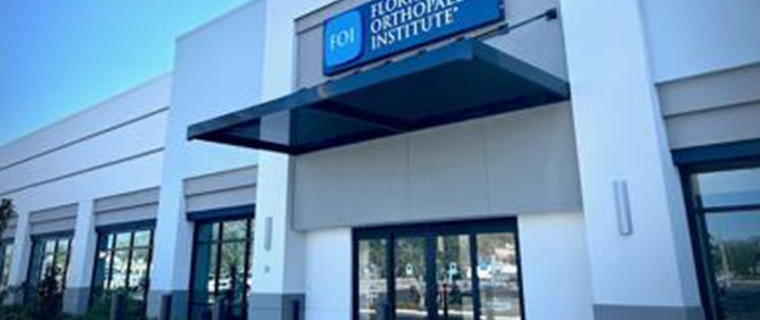
Tampa-based Alliant Partners Development acquired a building for $13.3 million that had originally housed a grocery store and later operated as a Coca-Cola call center. The property was converted into a headquarters and outpatient surgical center for Florida Orthopaedic Institute, including nine operating rooms.
After millions of dollars were invested in the redevelopment, the property was sold in 2025 for $53.6 million.
The project demonstrates one potential advantage of adaptive reuse in healthcare real estate. Converting an existing retail or office property can allow developers to enter a market below the cost of ground-up construction while potentially shortening the development timeline.
Outpatient Care Continues to Expand
The growth of outpatient real estate is being supported by several structural trends.
America’s aging population is creating greater demand for orthopedic procedures, diagnostic imaging, specialty care and other medical services frequently delivered outside hospitals. At the same time, changes in healthcare reimbursement and advances in medical technology have made it possible to perform increasingly complex procedures in outpatient settings.
The U.S. population age 75 and older is expanding by more than one million people annually. Outpatient real estate revenue has increased approximately 45% since 2020 and is expected to continue growing over the next five years, according to Colliers data cited by UF.
That patient demand is translating into investor demand as well.
Medical outpatient building investment volume increased 78% year over year during the first quarter of 2026. The trailing four-quarter national transaction volume reached approximately $13.9 billion, with the Southeast accounting for $4.1 billion.
Limited New Construction Is Supporting Existing Properties
Demand is only one side of the medical real estate equation.
New supply has remained constrained as construction, land and labor costs have increased. Medical buildings are also significantly more complicated to develop than traditional office properties.
Healthcare facilities often require extensive mechanical, electrical and plumbing infrastructure, including specialized ventilation, temperature controls, medical-gas systems and additional regulatory compliance.
Those costs become even greater for surgery centers.
In Florida, ambulatory surgery center development can face additional site constraints because facilities generally must be constructed five to seven feet above base flood elevation.
These factors have helped restrict new development. During the first quarter of 2026, medical outpatient building completions were only about one-quarter of the five-year quarterly average, according to CBRE data referenced by UF.
For owners of well-located existing medical buildings, limited new supply can provide additional pricing power as healthcare providers compete for suitable space.
Medical Tenants Can Be Difficult to Move
Medical office properties also benefit from relatively high tenant retention.
Specialized build-outs can be expensive, and physicians may establish referral patterns, patient familiarity and operational systems around a particular location. Moving a practice can therefore be substantially more disruptive than relocating a conventional office tenant.
Boca Raton-based Kayne Anderson has reported renewal rates exceeding 80% among its medical tenants, compared with an average of 54.8% for traditional office tenants.
That stability is one reason medical office properties have attracted increasing institutional capital.
Since 2015, medical outpatient buildings have generated annualized total returns of approximately 6.1%, according to NCREIF data analyzed by UF’s Bergstrom Real Estate Center. More notably, those returns have come with relatively low volatility compared with several other major commercial real estate sectors.
Florida Remains Well Positioned
Florida combines several characteristics that favor continued outpatient development: an aging population, significant population growth, expanding health systems and strong demand for conveniently located medical services.
For developers, the opportunity may increasingly involve more than building new medical office properties from the ground up. Older retail centers, office buildings and other well-located commercial properties can sometimes provide viable conversion opportunities when parking, access, building systems and zoning align with healthcare requirements.
For investors, meanwhile, the appeal of medical space is increasingly tied to its defensive characteristics. Healthcare demand is driven more by patient needs than by traditional business cycles, while expensive tenant improvements can encourage longer occupancy.
The result is a sector that may lack the visibility of major mixed-use developments or trophy office towers but continues to attract capital because of its combination of demand, limited supply and tenant stability.
In Florida, where some of the nation’s strongest medical rent growth is already occurring, outpatient properties are becoming an increasingly important part of the commercial real estate landscape.
Source: UF
For more information contact us:
954.346.8200 x 201

