
Citrus County’s Growth Raises Questions About Future Health Care Capacity
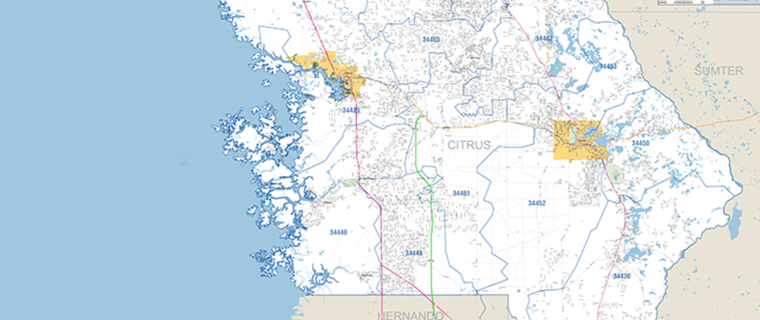
Citrus County’s health care landscape is entering a period of long-range planning as population growth, aging demographics and persistent provider shortages place new pressure on the local medical system.
Recent findings from a Community Health Needs Assessment point to several significant challenges facing residents, including limited access to physicians and specialists, chronic disease, behavioral health needs and obstacles that prevent patients from obtaining timely medical care.
The report reflects a broader concern for the county: what kind of health care infrastructure will be needed five, 10 or even 20 years from now?
That question is already shaping decisions by area hospital systems and health care providers. Both Tampa General Hospital and HCA Florida Healthcare have made recent investments in Citrus County, while additional planning is underway to determine where future services may be needed most.
Earlier this year, HCA Florida Healthcare opened the $16 million HCA Florida Black Diamond Emergency facility in Lecanto. The freestanding emergency department includes 14 treatment spaces and advanced imaging services, adding emergency care capacity in the central part of the county.
Tampa General Hospital has also been evaluating future growth opportunities after acquiring 53 acres in central Citrus County near its existing freestanding emergency center. While no final development plan has been announced, hospital leaders are studying long-term community needs before determining what services could eventually be placed on the site.
The planning comes as demand for care in central Citrus County has increased faster than some providers expected. Emergency volumes at freestanding facilities have demonstrated the need for greater access points outside traditional hospital campuses, particularly as the county continues to grow.
To guide future decisions, Tampa General has hired consulting firm Ankura to conduct a regional assessment focused on identifying service gaps and forecasting future demand. The process is expected to include input from physicians, residents, local leaders and community organizations over the next two years.
Access to Care Remains a Core Challenge
Access to medical care emerged as one of the most pressing issues in the assessment.
About one-quarter of survey respondents said they had needed medical care during the previous year but were unable to obtain it. Common reasons included cost, difficulty scheduling appointments and inability to take time away from work.
Stakeholders interviewed for the assessment also cited shortages of physicians and specialists, particularly in rural areas of Citrus County. Transportation challenges, low health literacy and difficulty navigating the health care system were also identified as barriers.
Physician recruitment remains a critical part of the county’s future health care strategy. Tampa General recently added a primary care physician in Lecanto and has hired another physician expected to begin practicing in Citrus Hills later this year. The system is also recruiting specialists in areas including vascular medicine and gynecology.
Recruiting physicians to smaller markets can be difficult, particularly as health systems nationwide compete for a limited pool of providers.
Chronic Disease Is Increasing Demand for Services
Citrus County also faces many of the chronic health conditions affecting communities across Florida, especially those with older populations.
Heart disease remains the county’s leading cause of death, at 135.6 deaths per 100,000 residents, followed closely by cancer at 133.4 deaths per 100,000. One-third of survey respondents reported having high blood pressure.
Obesity and food insecurity were also highlighted in the assessment. About one-third of adults in Citrus County are classified as obese, and nearly one in four children experiences food insecurity.
Those findings are influencing service expansion decisions. Cancer care, for example, has become an area of increased focus after data showed elevated lung cancer rates in the region.
Tampa General has recruited a thoracic surgeon, expanded lung cancer treatment services and added technology designed to help physicians biopsy and diagnose small lung nodules earlier. The system has also expanded cervical cancer screening efforts and is evaluating additional oncology specialties for the area.
Behavioral Health Remains an Unmet Need
Behavioral health services were repeatedly identified as a major gap in Citrus County.
The county has fewer mental health providers per resident than the state average, and residents and community stakeholders cited behavioral health as one of the area’s most significant unmet needs.
Emergency departments across Florida continue to see behavioral health patients on a daily basis, and Citrus County is no exception. While additional behavioral health investment is occurring in parts of the state, providers say broader solutions will be needed to improve access to mental health care locally and statewide.
Workforce Development Will Be Essential
Meeting Citrus County’s future health needs will require more than new buildings and equipment. The county will also need a larger pipeline of trained health care workers.
To help address that issue, Tampa General has partnered with Citrus County Schools to place athletic trainers in local high schools and support the Academy of Health Careers program. The initiative gives students exposure to health professions, scholarship opportunities and pathways to pursue medical careers close to home.
Those efforts reflect the long-term nature of the county’s health care challenge. As demand grows, providers will need to plan not only for facilities and services, but also for the people required to deliver care.
Citrus County’s growth is no longer a future possibility. It is already reshaping demand for emergency care, primary care, specialty services, behavioral health and workforce development.
The question now is how quickly the region’s health care infrastructure can adapt.
Source: Paxton Media Group
For more information contact us:
954.346.8200 x 201

